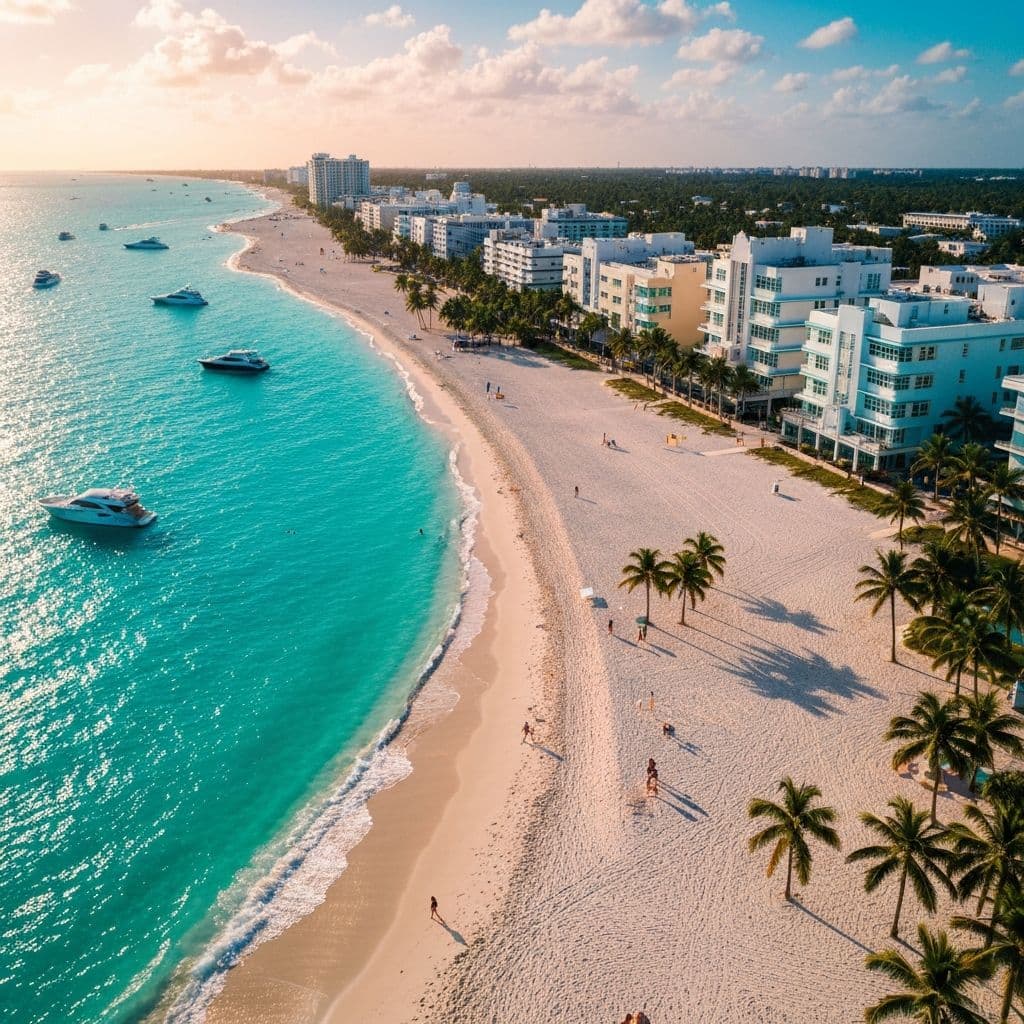
Miami isn't just an American city. It's the de facto capital of Latin America—a neutral ground where business gets done, exiles plot returns, and fortunes find safety.
The arrangement benefits everyone. Latin American wealth flows into Miami real estate, propping up property values. Miami provides financial services, legal expertise, and political stability. The relationship is symbiotic, even when uncomfortable.
Walk through Brickell and you'll hear Spanish, Portuguese, and a dozen accents. The offices house law firms specializing in cross-border transactions, banks catering to international clients, consulting firms advising governments across the hemisphere.
This role brings complications. Money laundering concerns never fully disappear. Political exiles from both left and right congregate awkwardly. The line between legitimate wealth and questionable fortune blurs constantly.
But Miami embraces its position. No other American city can play this role. New York is too expensive and too American. Houston lacks the infrastructure. Miami's location, language, and willingness to ask few questions make it essential.
![[Name]: [Compelling angle or achievement]](/_next/image?url=https%3A%2F%2Fauav6qnhhl3tspqr.public.blob.vercel-storage.com%2Farticles%2F1774034356093-5siaywva4fj.webp&w=3840&q=75)