Miami has transformed from a tropical playground into America's most formidable challenger to Wall Street's financial supremacy. According to a 2023 report, Miami now boasts 75% more millionaires than a decade ago, cementing its status as the epicenter of a seismic shift that's redistributing billions in assets and reshaping the geography of American finance.
This migration accelerated during the pandemic, with wealthy executives and major financial institutions relocating to South Florida in unprecedented numbers. The economic incentives are compelling: Miami offers approximately 63% lower operational costs compared to Manhattan while maintaining identical trading capabilities, creating an irresistible value proposition for cost-conscious financial firms.
The Great Migration: Wall Street's Southern Exodus
The transformation of Miami into 'Wall Street South' represents more than geographic arbitrage—it signals a fundamental restructuring of America's financial architecture. Major firms have committed to permanent relocations that would have been unthinkable just five years ago.
Citadel Securities, the market-making giant, moved its headquarters to Miami with President Jim Esposito—a former Goldman Sachs senior executive from New York and London—leading the transition. This wasn't a satellite office or tax play; it was a complete operational shift that validates Miami's capacity to handle sophisticated financial operations.

Citadel Securities
Citadel Securities is a leading Miami-based market making firm delivering liquidity and trade execution across equities, options, futures, currencies, fixed income, and more to retail and institutional clients worldwide. As the largest designated market maker on the New York Stock Exchange, Citadel Securities handles over $575 billion in daily notional volume across 50+ markets from its global headquarters at 830 Brickell Plaza in Miami, Florida. Founded by Ken Griffin, the firm relocated from Chicago to Miami in 2022, boosting South Florida's emergence as a premier financial hub with record revenues exceeding $7.5 billion in 2022.
Elliott Management, the activist hedge fund powerhouse, plans to move its headquarters from Manhattan to West Palm Beach, signaling confidence in South Florida's ability to support complex investment strategies. Meanwhile, Blackstone, the world's largest private equity firm, is opening an office near Miami, and Goldman Sachs has been considering shifting its asset management operations to Florida.
Billionaire Relocations Signal Permanent Shift
The billionaire class isn't just visiting Miami—they're establishing permanent roots. Dan Loeb, the founder and CEO of New York-based hedge fund Third Point, which manages $15 billion in assets, purchased a $20 million Miami Beach mansion with seven bedrooms and nearly 14,000 square feet of living space, complete with a home theater, rooftop deck, and private boat dock.
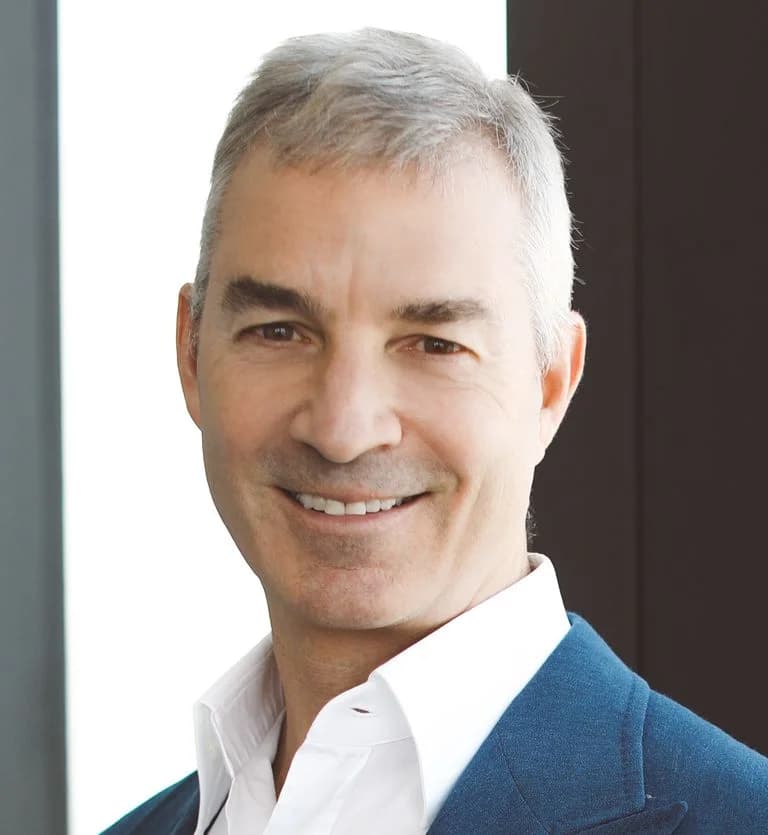
Dan Loeb
Billionaire hedge fund manager and activist investor who leads Third Point LLC, delivering 4.7% year-to-date returns through February 2026 by executing aggressive portfolio restructuring that outpaced the S&P 500's 0.5% gain.
View full profileLoeb's acquisition represents a broader pattern among financial titans establishing Miami presence, including Ken Griffin of Citadel, Jeff Bezos, Carl Icahn, Barry Sternlicht of Starwood Capital Group, and Peter Thiel. These aren't vacation homes—they're operational bases for managing global financial empires.
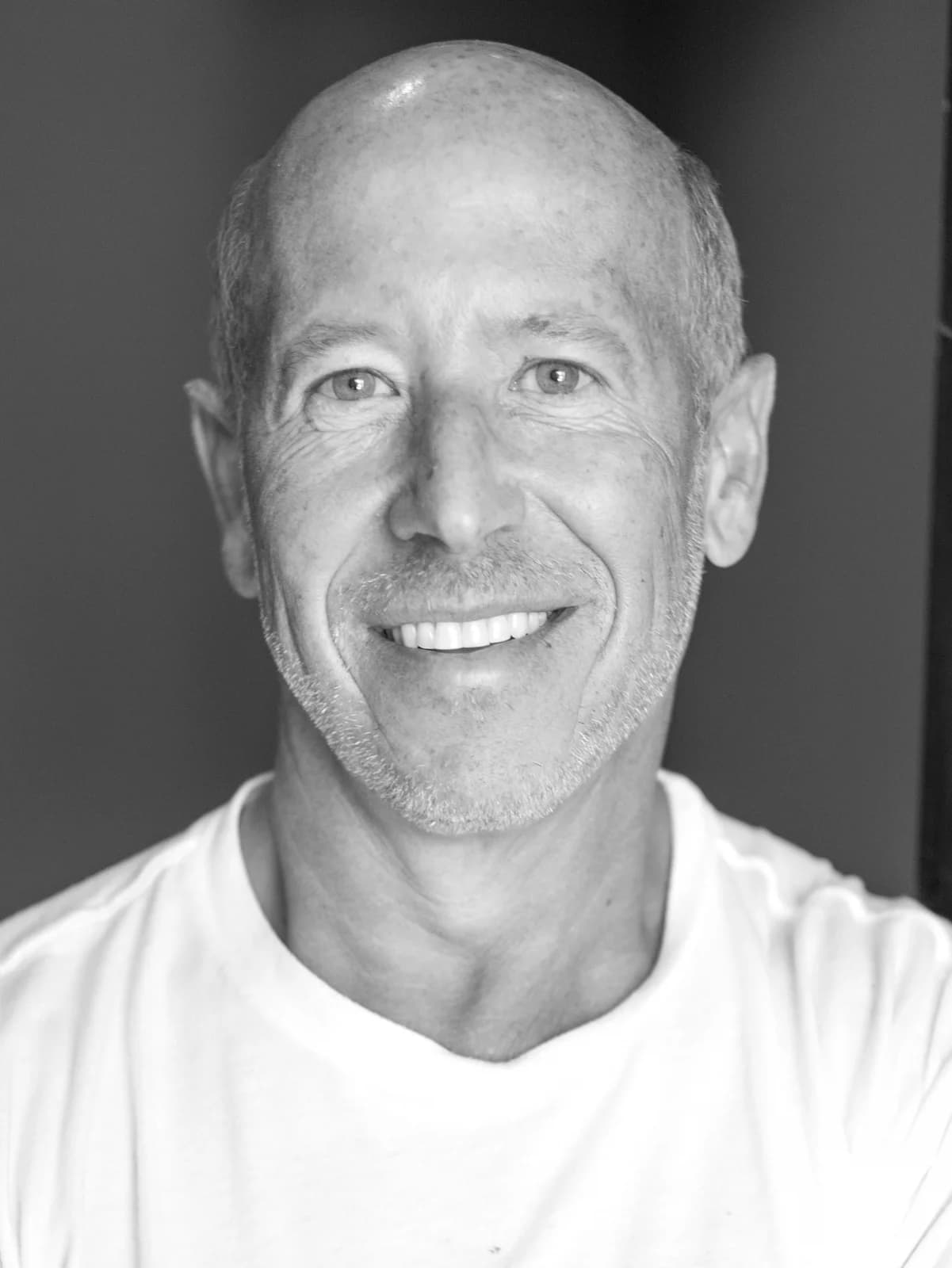
Barry Sternlicht
Real estate investment architect who commands a $130 billion alternative asset management empire spanning residential, hospitality, and commercial properties across nine countries.
The concentration of financial talent in Miami has created a self-reinforcing ecosystem where proximity to other industry leaders becomes a competitive advantage, similar to Manhattan's traditional clustering effect.
Beyond Traditional Finance: The New Financial Ecosystem
Miami's financial evolution extends beyond traditional hedge funds and private equity. The city has become a magnet for diverse financial players, from community banking innovators to fintech disruptors serving Latin America's cross-border payment needs.
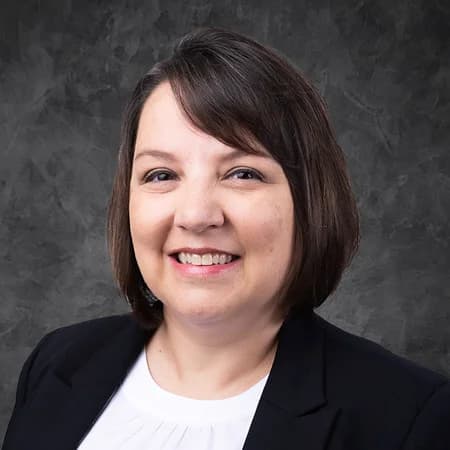
Dorothy Jackson, Vice President of Community Banking at FirstBank Miami, exemplifies how local financial institutions are adapting to serve the city's changing demographics. With over 20 years in banking, Jackson directs community initiatives that have empowered more than 5,000 residents through credit rebuilding and homeownership seminars. Her Wealth Builders program, launched in Miami-Dade in 2020, slashed reliance on high-interest loans by 40% among participants.

Dorothy Jackson
As Vice President of Community Banking at FirstBank Miami, Dorothy Jackson champions financial empowerment for South Florida's overlooked neighborhoods via strategic programs and workshops.
View full profileThe fintech sector is equally robust, with companies like Remitee addressing Miami's role as a gateway for Latin American financial flows. Founded in 2017, Remitee evolved from a C2C remittance platform into a B2B2C infrastructure provider, processing transactions for major industry players while targeting $8 billion in annualized gross transaction value by 2028.

Remitee
Remitee is a fintech platform providing secure, scalable infrastructure for cross-border instant payments, initially launched as a C2C remittance service for migrants in Argentina and Chile.
View full profileThe Cryptocurrency Connection
Miami's financial transformation coincides with the explosive growth of digital assets, creating synergies that Manhattan struggles to match. Industry leaders recognize South Florida as a natural hub for cryptocurrency innovation, leveraging the region's international connectivity and regulatory environment.
Ric Edelman, board member and advisor at Edelman Financial Engines—which oversees nearly $300 billion in assets—operates from his South Florida headquarters, leading cryptocurrency integration efforts. He founded the Digital Assets Council of Financial Professionals to train advisors on blockchain and crypto, now influencing thousands worldwide.
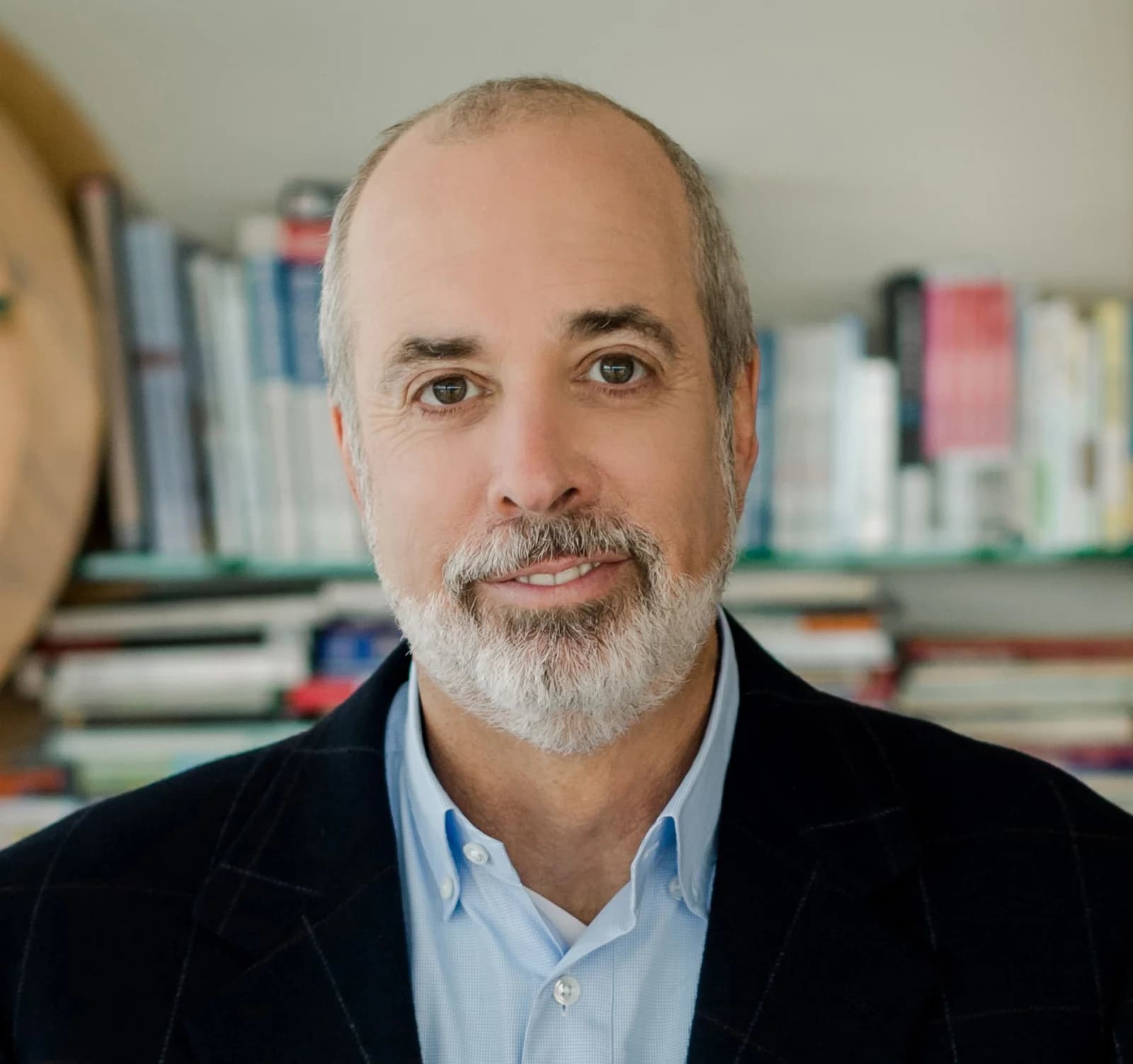
Ric Edelman
Ric Edelman acts as board member and advisor at Edelman Financial Engines, overseeing a firm with nearly $300 billion in assets, while leading the charge on cryptocurrency integration from his South Florida headquarters.
View full profile
Edelman Financial Engines
Edelman Financial Engines is America's largest independent registered investment adviser, managing $326 billion in assets for 1.24 million clients as of December 31, 2025, with comprehensive financial planning, wealth management, and retirement services including 401(k) plans. Recognized as a Barron's Top Independent Financial Advisory Firm for eight consecutive years, the firm operates over 140 locations nationwide, delivering technology-driven, fiduciary advice. In Miami and South Florida, Edelman Financial Engines provides tailored investment strategies and retirement planning to high-net-worth individuals and businesses, leveraging its national expertise for local financial success.
Mike Novogratz's Galaxy Digital demonstrates how crypto-native firms view Miami's ecosystem. While headquartered in New York, Galaxy actively engages Miami's vibrant crypto community through key conferences, liquidity provision, and investments that align with South Florida's digital asset infrastructure.
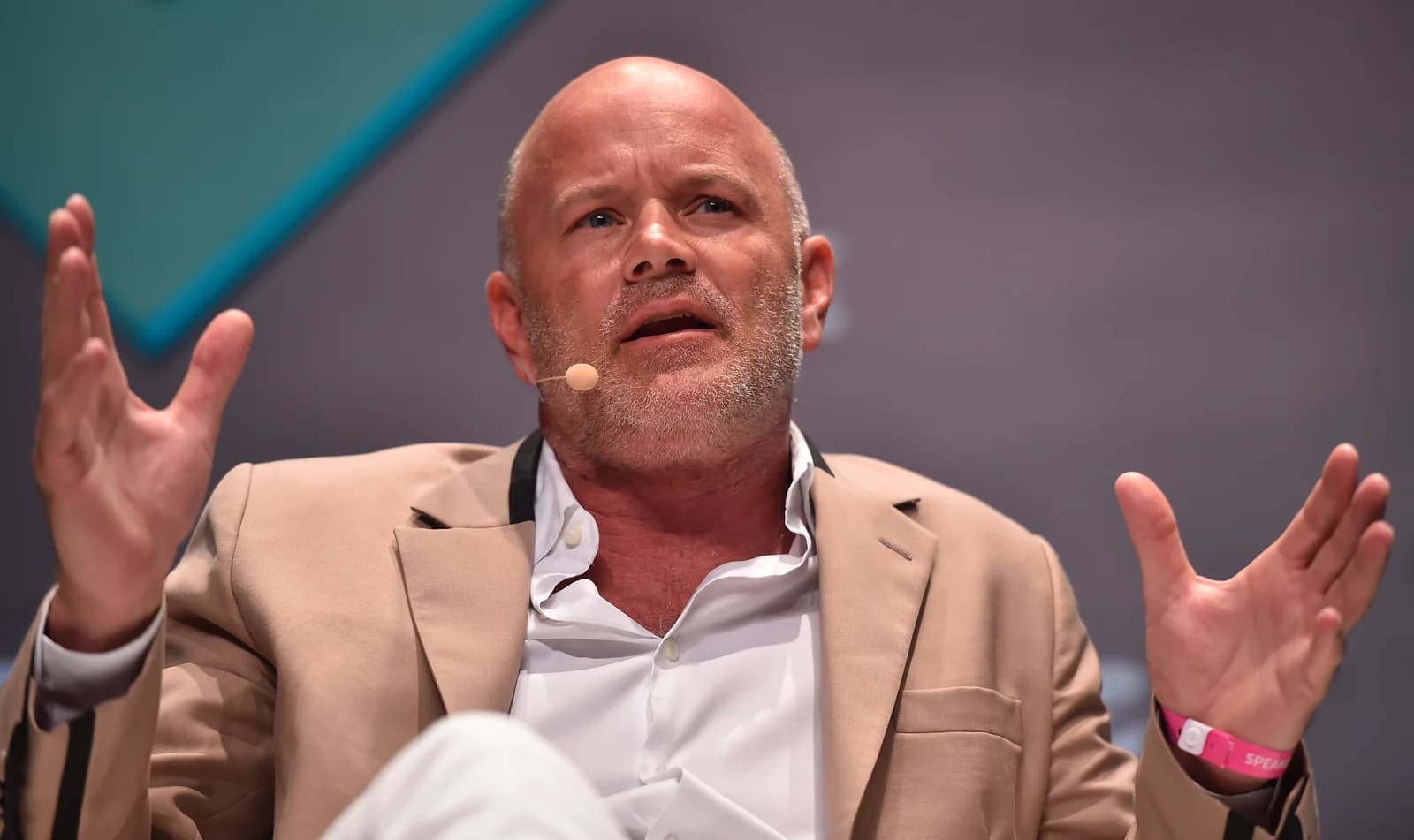
Mike Novogratz
Mike Novogratz serves as Founder and CEO of Galaxy Digital, directing its expansion into cryptocurrency trading, AI data centers, and blockchain infrastructure from a New York headquarters.
View full profileInternational Capital Flows and Latin American Connectivity
Miami's emergence as Wall Street South leverages unique geographic and cultural advantages that Manhattan cannot replicate. The World Bank Group maintains active Latin America and Caribbean regional operations through Miami, funding development projects and hosting economic forums that contribute to regional knowledge exchange.

World Bank
The World Bank Group is a family of five international organizations that provide leveraged loans, grants, and technical assistance to developing countries to end extreme poverty and boost shared prosperity.
View full profileThis international dimension attracts global investors seeking exposure to Latin American markets while maintaining operational bases in the United States. The combination of sophisticated financial infrastructure and cultural connectivity creates investment opportunities unavailable in traditional financial centers.
The Operational Advantage
- 63% lower operational costs compared to Manhattan
- No state income tax, providing significant savings for high earners
- Identical trading capabilities to New York markets
- Superior quality of life and climate
- Direct flights to Latin American financial centers
- Growing ecosystem of supporting services and talent
The economic mathematics are compelling, but the operational advantages extend beyond cost savings. Miami offers a lifestyle that attracts and retains top talent while providing access to international markets that complement traditional North American strategies.
What's Next for Wall Street South
Miami's financial sector evolution is accelerating rather than stabilizing. The city's success in attracting major firms creates momentum that draws additional relocations, building a critical mass of financial expertise that rivals traditional centers.
The convergence of traditional finance, cryptocurrency innovation, and Latin American connectivity positions Miami uniquely for the next phase of global financial evolution. As regulatory frameworks mature and digital assets integrate with traditional markets, Miami's early positioning in both sectors provides competitive advantages.
Industry observers expect continued migration of mid-tier hedge funds and family offices as Miami's ecosystem proves its operational capabilities and talent depth.
Miami's transformation into Wall Street South represents more than geographic relocation—it signals a fundamental shift in how financial markets operate in an increasingly digital, international, and cost-conscious environment. The city has proven it can compete with Manhattan on technical capabilities while offering advantages that traditional centers cannot match. As this ecosystem continues maturing, Miami is positioned to reshape American finance for the next generation.