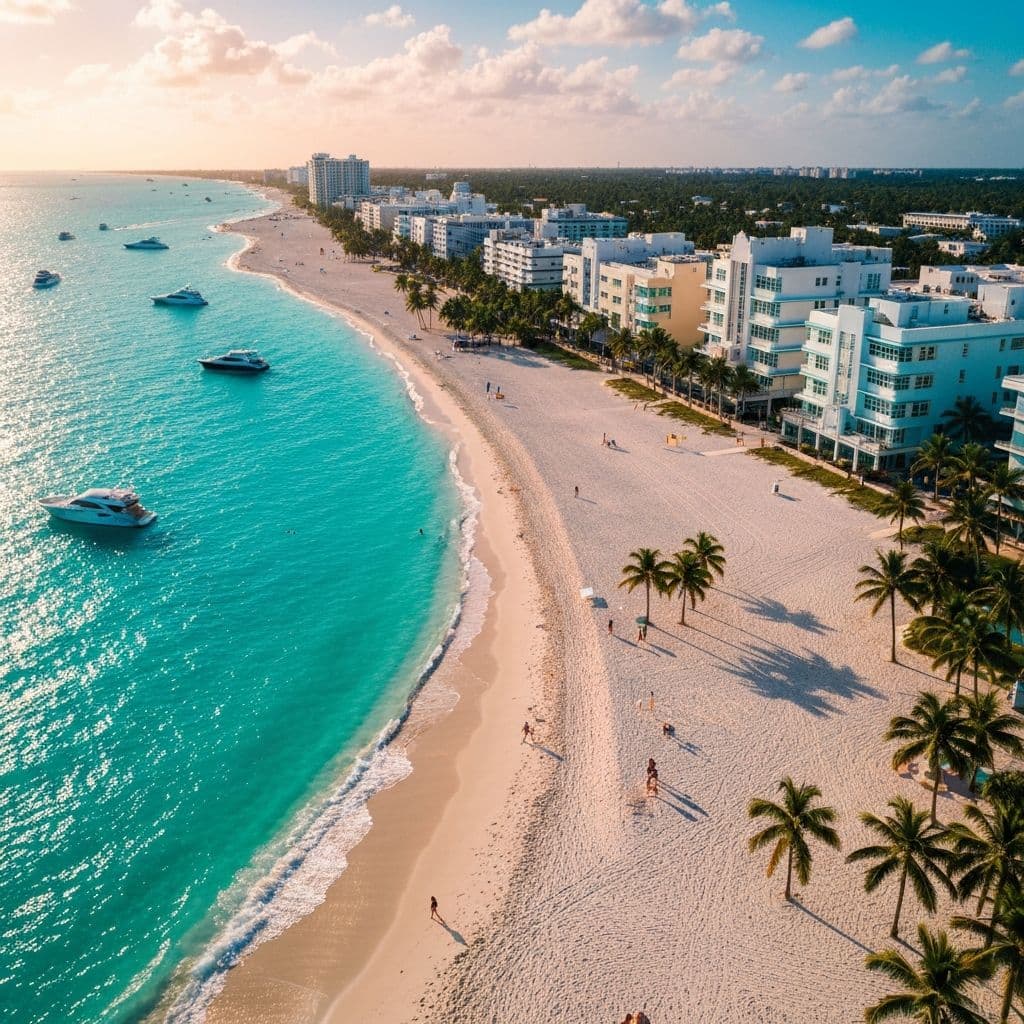
Miami has spent decades trying to outrun its reputation—while simultaneously profiting from it. The city that cocaine built now hosts Art Basel. The beach where drug lords once laundered money now hosts wellness retreats.
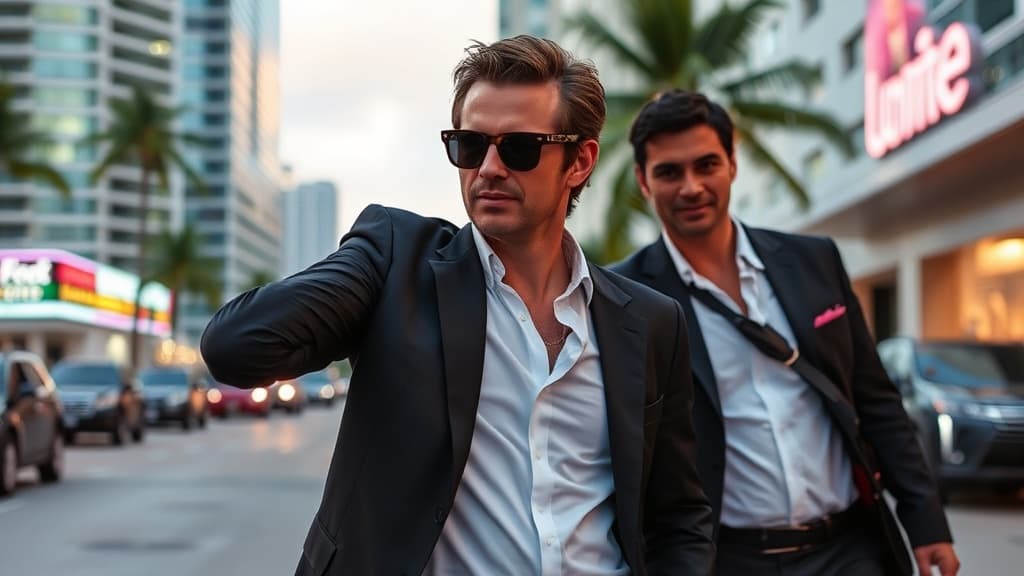
Yet the mythology persists. Every new TV show set in Miami eventually involves organized crime. Every profile of the city mentions the 1980s cocaine cowboys. The original Miami Vice remains our defining cultural export.
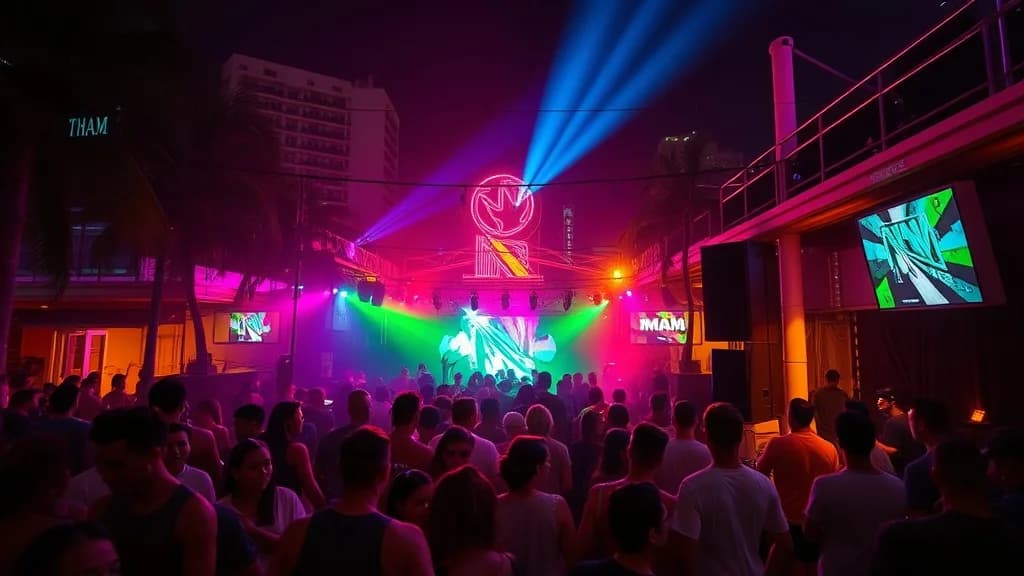
Some embrace it. Scarface murals decorate Wynwood walls. Nightclubs name VIP sections after drug lords. The tourism board may not advertise it, but Vice City remains a selling point.
Others fight against it. The business community insists Miami has grown up, pointing to Fortune 500 relocations and tech investment. Politicians promise a new chapter.
The truth is more complicated. Miami's edge—its willingness to exist outside conventional American norms—attracted both criminals and visionaries. The same anything-goes attitude that enabled drug trafficking also enabled the cultural innovation that makes Miami unlike anywhere else.
You can't separate the vice from the city. It's baked into the DNA.