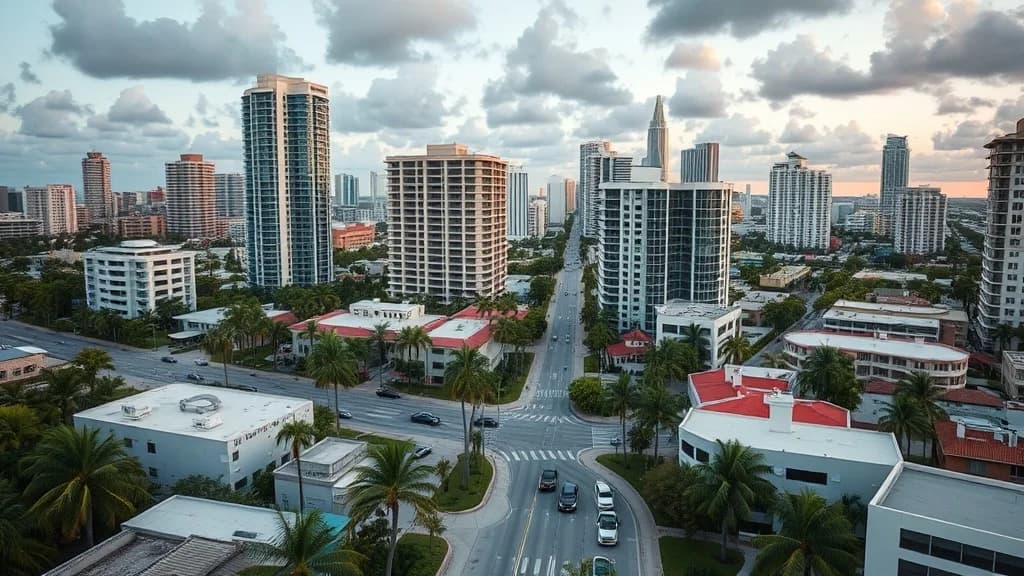
Tax reform jitters are spreading through cities across the state as legislators move forward with a plan set in motion by Gov. Ron DeSantis to give homesteaded property owners a much-needed tax break. For Miami-Dade County and its 34 municipalities, the implications could be enormous as local governments brace for potential revenue shortfalls that could impact everything from park maintenance to road repairs.

Ron DeSantis
Florida's 46th Governor concluding his second term after seven years steering the state through major fiscal restructuring, education reform, and environmental restoration initiatives.
The timing couldn't be more critical for South Florida. With just days left in the regular legislative session, House and Senate leaders aren't yet into formal budget negotiations, leaving counties like Miami-Dade in limbo about how deep the cuts might go and what services could be affected.
The Statewide Impact Takes Shape
Early indicators from across Florida paint a sobering picture. In the Panhandle, Santa Rosa County is projecting potential losses of $33 million for roads and parks alone. If similar percentage cuts hit Miami-Dade – with its far larger property tax base and extensive infrastructure needs – the numbers could be staggering for a county already juggling massive transportation projects, climate resilience initiatives, and growing public safety demands.
Fort Lauderdale is already prepping for fallout from the looming tax reform, according to reporting in the Sun Sentinel. For Miami-Dade's neighboring Broward County seat, the preparation signals what's likely happening behind closed doors in government centers from Brickell to Coral Gables.
Local Government Scrambling for Solutions
The uncertainty extends beyond just property tax reform. The legislature has been busy with several measures that could reshape how local governments operate and fund essential services. A bill mandating online payments for local governments has passed both chambers and now heads to the Governor's Office for final approval.
Meanwhile, differences have emerged between the Senate and House on transportation packages – a particularly relevant issue for Miami-Dade as the county continues expanding its transit network and maintains one of the state's busiest airport systems.
The Florida Senate has also passed a housing bill aimed at boosting affordable housing through garage apartments and accessory dwellings – potentially significant for Miami's ongoing housing affordability crisis.
What This Means for Miami-Dade
For Miami-Dade residents, the property tax reform represents a double-edged sword. Homeowners could see meaningful relief on their tax bills – welcome news in a market where property values have soared in recent years. But that same relief could mean reduced funding for the parks, libraries, transit systems, and public safety services that define quality of life in communities from Aventura to Homestead.
- Potential impacts on Miami-Dade Transit expansion projects
- Reduced funding for park maintenance and recreation programs
- Possible delays in infrastructure improvements
- Questions about public safety service levels
As legislators continue their budget negotiations in Tallahassee, Miami-Dade officials are likely running scenarios and preparing contingency plans. The county's complex mix of urban density, environmental challenges, and growing population makes it particularly vulnerable to service cuts, even as residents continue demanding improved infrastructure and amenities.
With the legislative session winding down and no formal budget negotiations yet underway, the coming days will be crucial for determining how significantly these reforms will reshape local government funding across Florida – and what that means for daily life in Miami-Dade.