Scott Scovel thought he knew exactly what moving from Manhattan to Miami would deliver: lower taxes, cheaper living costs, and endless warm weather. What the 58-year-old financial services veteran didn't expect was that his biggest windfall would come from an entirely different source — one that would let him retire two years ahead of schedule.
In 2021, Scovel joined the wave of New Yorkers relocating to South Florida, accepting what he planned to be his final job in Miami. Like many high earners making the move, he was drawn by Florida's promise of no state income tax and the allure of year-round sunshine. But three years later, from his Brickell condo overlooking Biscayne Bay, Scovel has a different perspective on what really makes Miami work for retirees.
The Manhattan-to-Miami Housing Play
Scovel's first few weeks in Miami played out like a perfect relocation commercial. Bike rides through lush parks, waterfront views, and a walkable lifestyle in Brickell that reminded him of Manhattan's pedestrian culture. By his sixth month, he was ready to make it permanent and called a realtor.
The numbers told a compelling story. Using proceeds from his $1.65 million Manhattan condo sale in 2019, Scovel bought a two-bedroom Brickell unit for $727,500 — paying cash. The math was simple but powerful: no mortgage meant dramatically lower monthly expenses, which suddenly made early retirement feasible.
I suddenly realized I could afford to retire years earlier than I expected, relying on my savings, so I left full-time work in 2022 at age 60.
That housing arbitrage — common among NYC-to-Miami transplants — freed up nearly $1 million in capital that would have otherwise been tied up in real estate. For someone with nearly 40 years in financial services, it was the kind of portfolio rebalancing that changed everything.
When Tax Benefits Don't Live Up to the Hype
But Miami's other promised advantages? They've proven more modest than Scovel anticipated. Florida's lack of state income tax and supposedly cheaper living costs haven't delivered the dramatic savings he expected, especially in retirement when income streams change.
Miami's condo prices have more than doubled over the past decade, making the city less accessible for transplants without significant existing real estate equity.
Scovel's experience reflects a broader reality for high-income professionals making the Florida move. While tax savings are real, they may not be the game-changer that relocation marketing suggests — particularly for retirees whose tax situations differ from their working years.
The Miami Dream's New Price Tag
Scovel acknowledges his timing and circumstances were fortunate. Carrying "Manhattan money" to Miami after decades in financial services gave him advantages that many transplants don't have. For Americans moving from lower-cost regions, Miami's current reality may be far different.
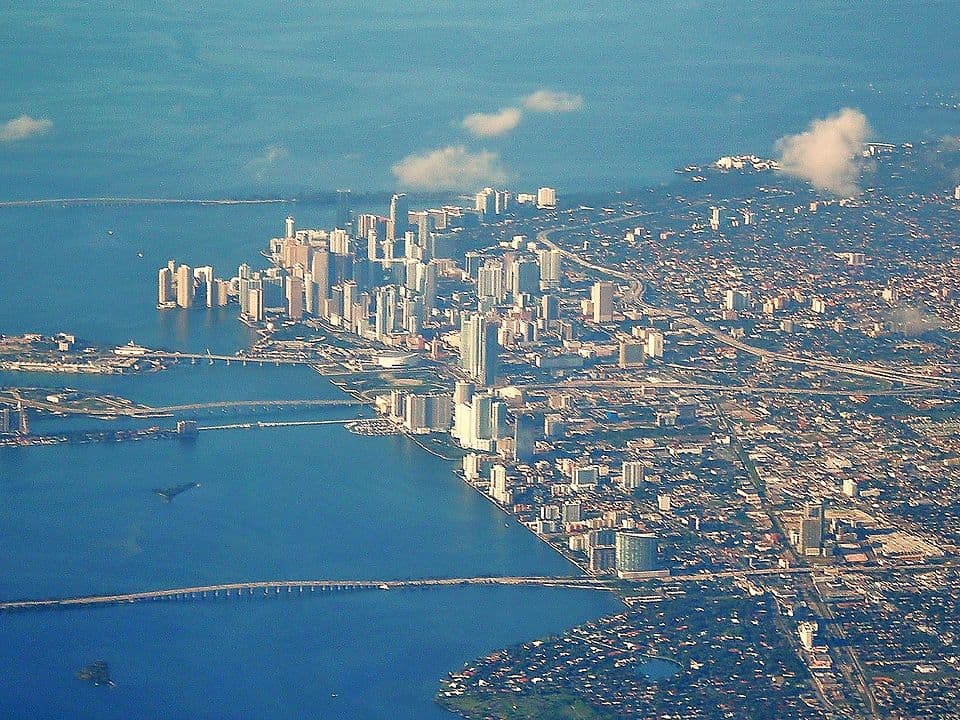
Evidence shows Miami condos now cost over twice what they did a decade ago, fundamentally changing the affordability equation that drew so many transplants. The Brickell skyline that Scovel enjoys from his waterfront home represents a market that's increasingly out of reach for middle-income buyers.
Yet for those who can navigate Miami's new economics, Scovel's experience offers a blueprint. The key wasn't chasing tax breaks or cost savings, but recognizing how strategic real estate moves could unlock entirely new life possibilities. In a city where the next chapter often looks nothing like what you planned, sometimes the biggest surprises turn out to be the best ones.