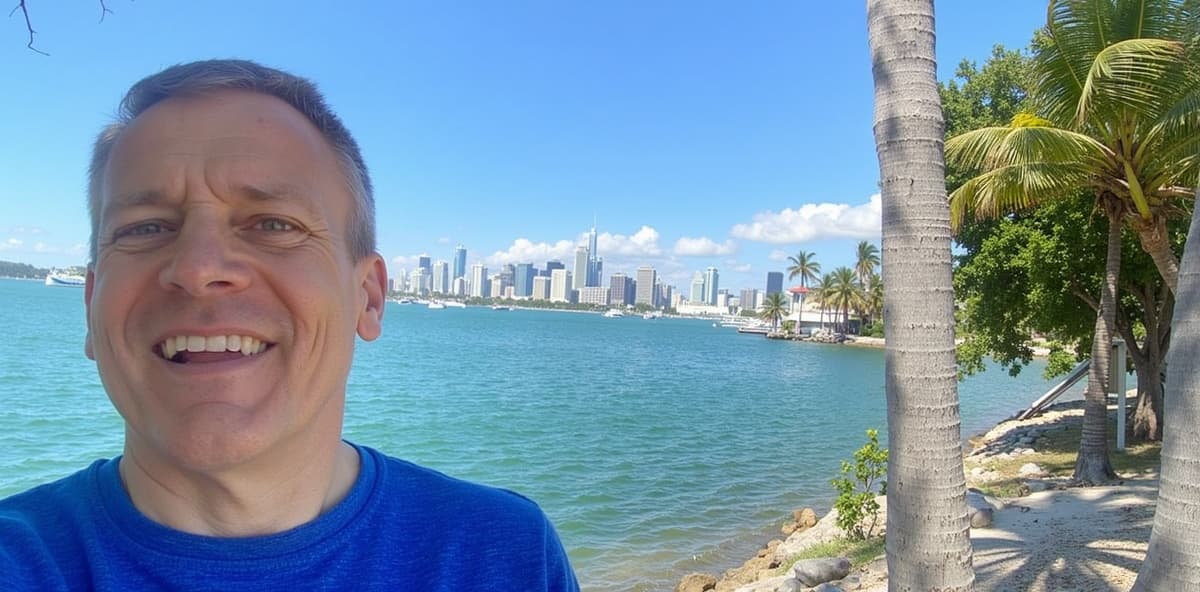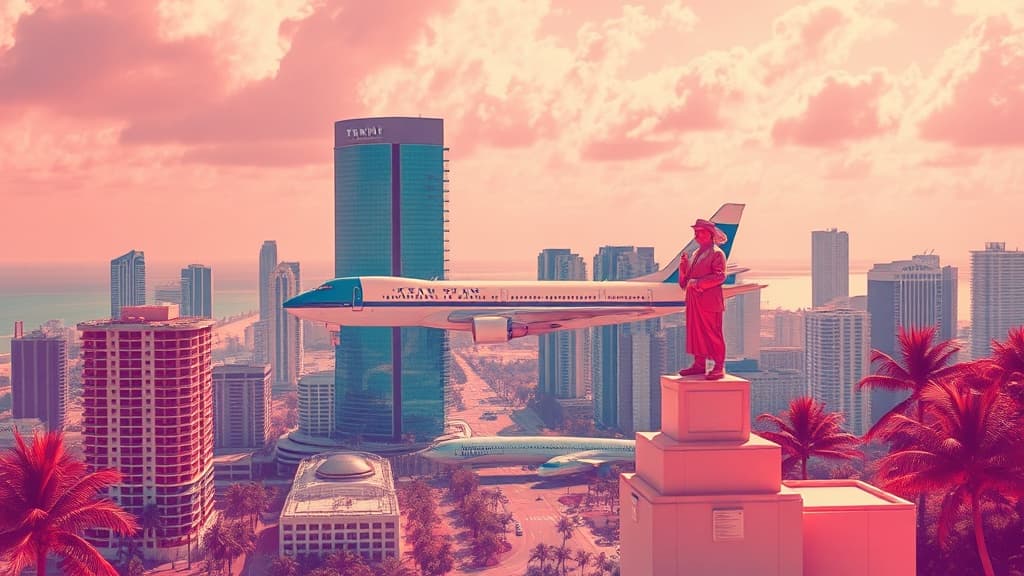
The skyline of downtown Miami has long served as a beacon of hope for Cuban exiles, its gleaming towers representing the prosperity that seemed forever out of reach for their homeland just 90 miles away. Today, that distance feels shorter than ever as Cuba announces groundbreaking economic reforms that could fundamentally alter the relationship between the island nation and South Florida's influential Cuban-American community.
In what analysts are calling the most significant economic opening since the 1990s Special Period, Cuban authorities have unveiled new investment protocols specifically designed to attract capital from Miami's exile community. The policy shift represents a dramatic reversal from previous administrations that viewed Cuban-American business interests with deep suspicion.
A New Chapter for Miami's Little Havana
For Maria Elena Castellanos, whose family fled Cuba in 1962 and built a successful real estate empire in Coral Gables, the news feels surreal. 'My grandfather always said we'd return to rebuild Cuba someday,' she reflects from her Brickell Avenue office. 'We just never imagined it would happen through investment rather than regime change.'
The new framework allows Cuban-Americans to establish joint ventures in sectors including telecommunications, renewable energy, and hospitality. Priority areas include infrastructure development in Havana and Santiago de Cuba, with special emphasis on projects that can demonstrate immediate economic benefit to local communities.
This isn't just about money—it's about reconnecting with our roots while helping Cuba enter the 21st century economy.
Miami's Financial District Takes Notice
Financial institutions throughout Miami are already positioning themselves to facilitate this historic opening. Brickell-based investment firms report receiving dozens of inquiries from Cuban-American clients exploring opportunities in sectors ranging from renewable energy to tourism infrastructure.
The Miami-Dade Beacon Council estimates that South Florida Cuban-Americans control approximately $15 billion in liquid assets that could potentially flow to Cuba under the new regulations. However, significant hurdles remain, including ongoing U.S. federal sanctions and complex regulatory frameworks.
Investment applications must be processed through a new Cuban Agency for Foreign Investment office, with priority given to projects demonstrating environmental sustainability and local job creation.
Political Implications and Community Reactions
The announcement has generated intense debate within Miami's Cuban-American community. While younger generations view the opening as long-overdue progress, older exiles express concerns about legitimizing what they still consider an illegitimate government.
At Versailles Restaurant, the iconic Calle Ocho gathering place where Cuban politics have been debated for decades, conversations now center on practical questions: Which sectors offer the best opportunities? How can investments be structured to benefit ordinary Cubans rather than government coffers?
Local economists predict the policy shift could generate significant economic activity in Miami as well, with the city potentially serving as a crucial financial and logistical hub for Cuba-bound investments. Port of Miami officials are already discussing expanded cargo capabilities to handle increased trade volumes.
Looking Forward
As Miami's Cuban-American business leaders weigh their options, one thing seems certain: the economic relationship between South Florida and Cuba is entering uncharted territory. Whether this opening represents genuine reform or economic desperation remains to be seen, but for the first time in generations, Cuban exiles are contemplating investment rather than invasion as their path back to the island.
The first wave of investment applications is expected to be submitted within 90 days, potentially marking the beginning of a new era in Cuba-Miami relations that could reshape both economies for decades to come.