When Mike Vero arrived at Fort Lauderdale-Hollywood International Airport on Sunday expecting a quick 3:30 departure, he never imagined he'd still be there Tuesday, sleeping in bathroom hallways and rationing water fountain drinks. His story has become all too familiar as extreme weather across the country transforms South Florida's airports into impromptu refugee camps, with nearly 4,800 flights canceled nationwide on Monday alone.
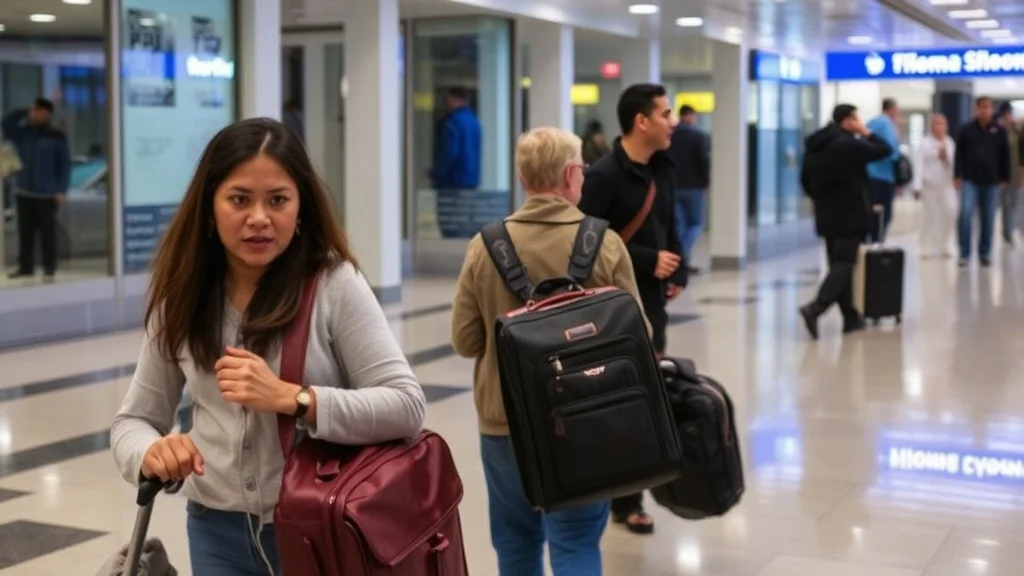
The scene at FLL tells the story of a travel system pushed beyond its breaking point. Long, serpentine lines snake through Delta Air Lines' check-in counters as passengers desperately try to rebook canceled flights. The frustration is palpable, the exhaustion evident on faces that have been waiting for days.
A Perfect Storm of Travel Chaos
The crisis stems from a meteorological nightmare spanning from the Midwest to the East Coast. Tornadoes have uprooted trees across the South while snow blankets the Midwest, creating a domino effect that has rippled through the nation's air travel network. For Miami-area airports, typically insulated from such weather disruptions, the impact has been particularly jarring.
My flight was supposed to leave at 3:30 on Sunday, and then Monday, like 6 a.m., it kept getting delayed, delayed, delayed and canceled. They had a backup flight at 7:30, canceled. Now they're saying the earliest [available flight] is Thursday; that's two days from now.
Vero's ordeal represents thousands of similar stories playing out across FLL and Miami International Airport. The timing couldn't be worse, coinciding with spring break season when South Florida airports typically see their highest passenger volumes. Add in staffing issues with the Transportation Security Administration due to a partial government shutdown, and the result is what one passenger called a "nightmare."
When Paradise Becomes Purgatory
For many travelers, what started as a vacation in paradise has devolved into an endurance test. Tracy Brown, a Michigan resident who ended her cruise vacation Monday morning, found herself still waiting at FLL with her family by Tuesday, their departure pushed to Thursday evening.
Just wish us luck. Now it's Thursday at 6.
The human cost extends beyond mere inconvenience. Passengers describe sleeping "lined up, like, in the bathroom hallway" with empty vending machines and only water fountains for sustenance. The airport's information boards have become monuments to disappointment, displaying a sea of red cancellations and delays stretching 21 hours or more.
According to FlightAware, Monday alone saw nearly 4,800 flight cancellations nationwide, with South Florida airports bearing a significant portion of the disruption despite being far from the storm centers.
The Ripple Effect on Miami's Travel Hub
Miami's status as a major gateway to Latin America and the Caribbean means these disruptions extend far beyond domestic travel. The delays affect connections to dozens of international destinations, creating a bottleneck effect that impacts global travel patterns. For a region that prides itself on seamless connectivity to the world, the current crisis serves as a stark reminder of how interconnected the aviation system truly is.
The weather events causing the chaos span an impressive geographic range. From witnesses describing pallets "literally blown up into the air" during tornado conditions to others celebrating birthdays with unwanted blizzards, the scope of the disruption illustrates why air travel has ground to a halt across much of the country.
There's nowhere to sleep, there's – the vending machine is empty. There's a water fountain, and that's it. People are sleeping everywhere, sleeping lined up, like, in the bathroom hallway. It was crazy.
Looking Ahead: When Will Normal Return?
As passengers like Vero and Brown continue their airport vigils, the question remains when normal operations will resume. The combination of weather delays, spring break crowds, and federal staffing issues creates a complex puzzle that won't be solved overnight. For Miami's airports, known for their efficiency and international connectivity, the current crisis represents an unprecedented test of resilience.
The scenes playing out at FLL and MIA serve as a sobering reminder that even in an age of advanced meteorological forecasting and sophisticated airline operations, Mother Nature still holds the ultimate trump card. For now, thousands of travelers can only wait, hope, and perhaps pack extra patience for their next adventure through South Florida's normally bustling aviation hubs.