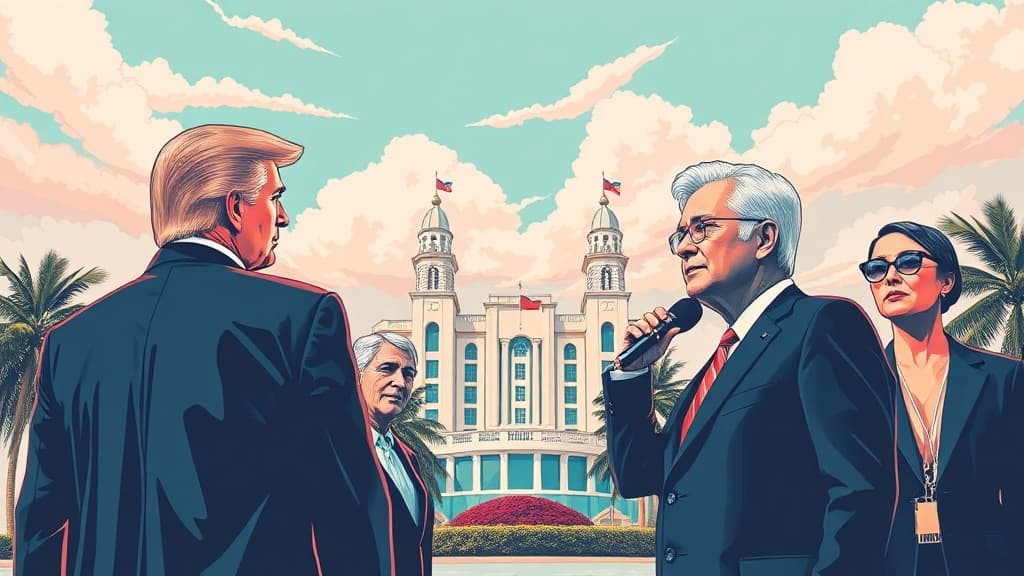
South Florida's political landscape in 2026 reflects a dynamic intersection of national influence and local governance, where presidents conduct business from Palm Beach estates, governors reshape voting laws, and mayors navigate billion-dollar budgets. From Mar-a-Lago's continued role as a Republican power center to Miami-Dade's infrastructure challenges, the region's political heavyweights wield influence far beyond county lines.
The convergence of federal politics, state governance, and local administration creates a unique ecosystem where decisions made in Tallahassee, Washington, and Miami City Hall directly impact the daily lives of nearly 3 million residents across Miami-Dade County.
Who are the most influential political figures in Miami right now?
President Donald Trump: The Mar-a-Lago Command Center
President Trump's South Florida presence extends far beyond his primary residence at Mar-a-Lago, serving as a nexus for Republican politics and high-profile fundraising events. His Palm Beach estate regularly hosts national political gatherings that draw attention to the region while bolstering local tourism and economic activity through his golf courses and real estate holdings in Miami-Dade and Palm Beach Counties.
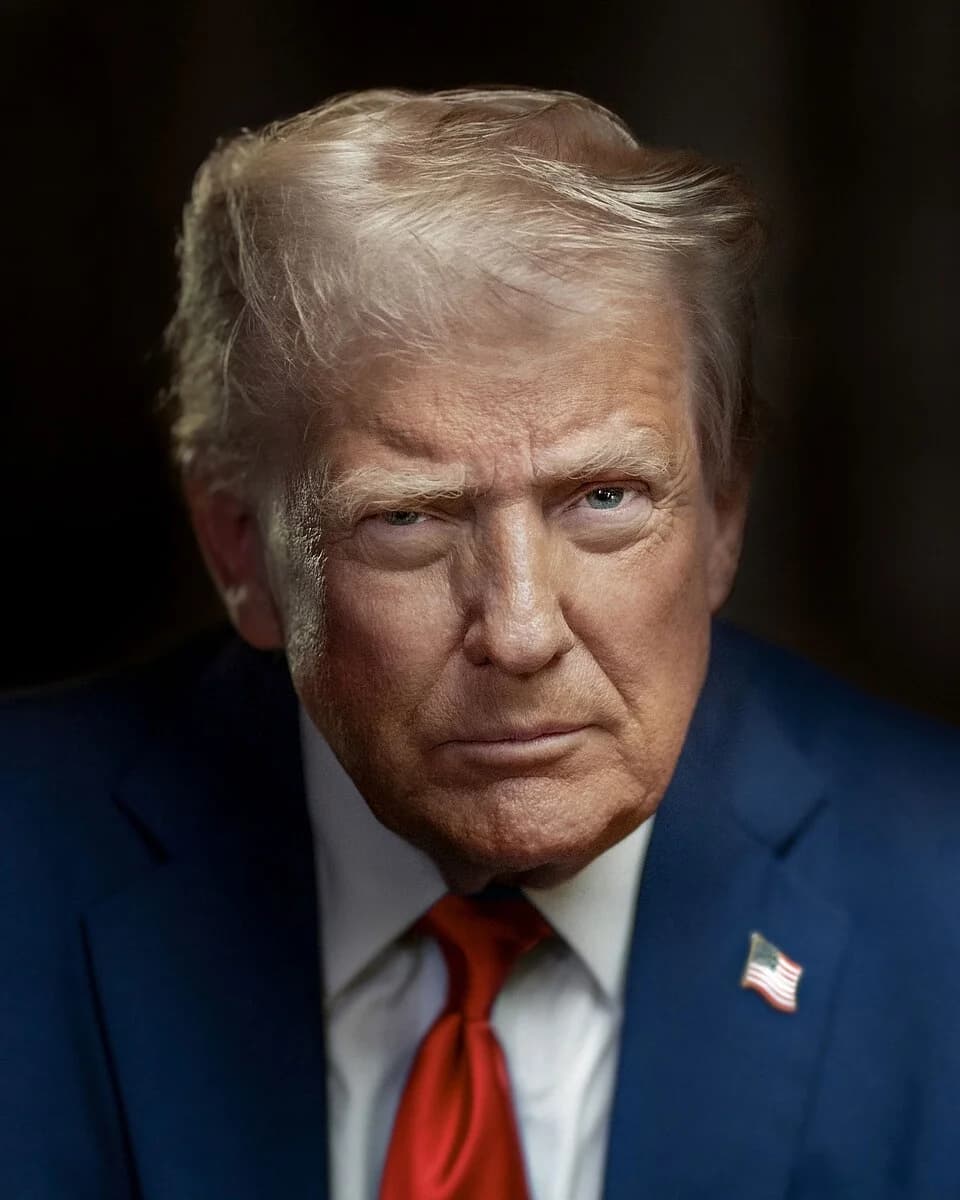
President Trump
Donald Trump is the 47th President of the United States, serving non-consecutive terms as the 45th and 47th president after winning the 2024 election against Kamala Harris.
View full profileRecent developments highlight the ongoing turbulence in his administration. According to Local10.com, President Trump announced the removal of Pam Bondi as Attorney General, appointing Todd Blanche as acting AG amid Justice Department upheaval. Additionally, a federal judge ruled that Trump is not immune from civil claims related to his January 6 rally speech, while Trump attended Supreme Court oral arguments where justices appeared poised to reject his birthright citizenship limits.
Trump's ownership of multiple properties in South Florida, including Trump golf courses and real estate developments, creates a significant economic footprint that intersects with his political activities in the region.
Governor Ron DeSantis: Reshaping Florida's Electoral Landscape
As Florida's 46th Governor concludes his second term, Ron DeSantis continues implementing conservative policy reforms that directly impact Miami-Dade residents. His administration has focused on fiscal restructuring, education reform, and environmental restoration initiatives, including Everglades restoration efforts that quadrupled funding levels and water quality upgrades affecting South Florida ecosystems like Biscayne Bay.
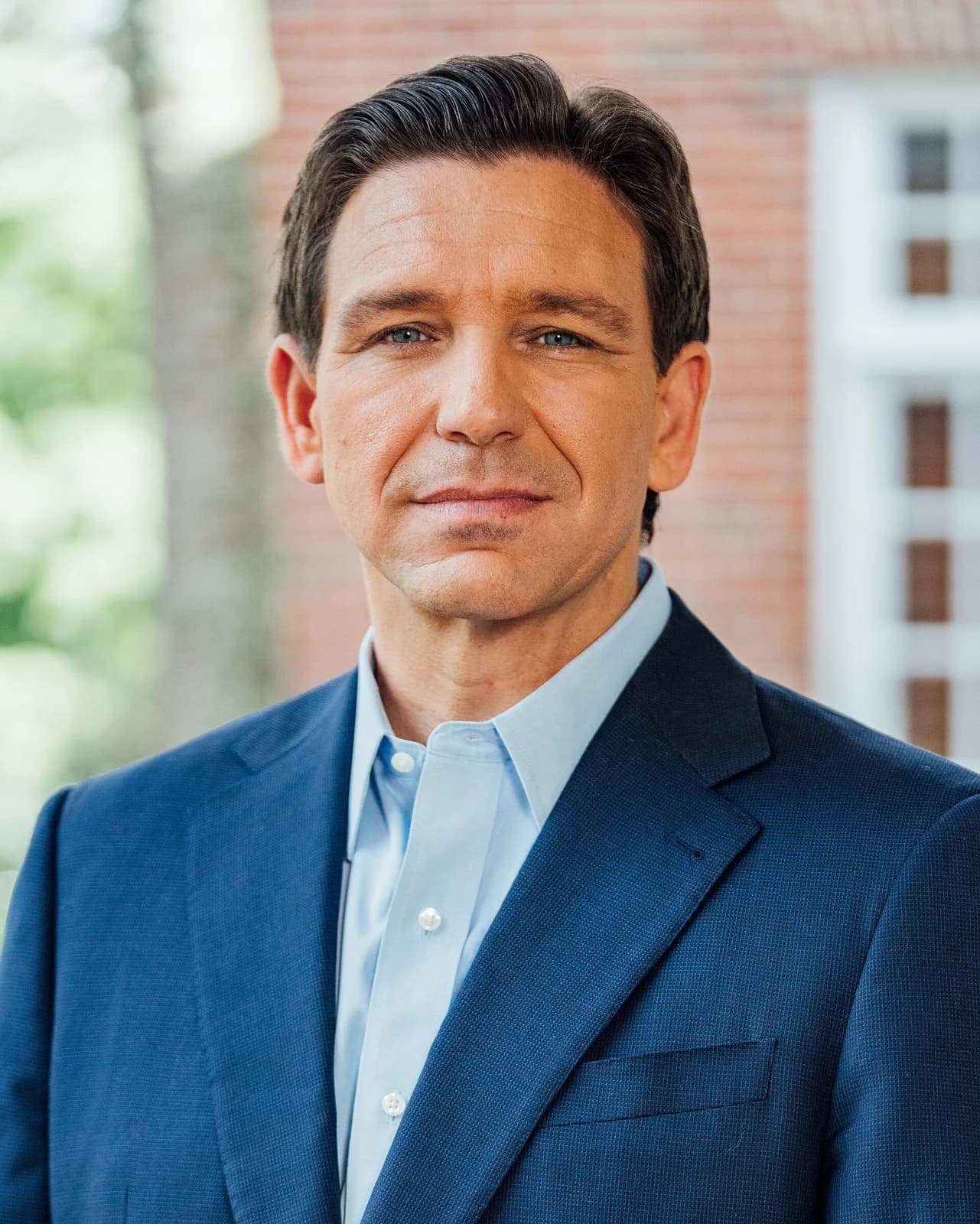
Ron DeSantis
Florida's 46th Governor concluding his second term after seven years steering the state through major fiscal restructuring, education reform, and environmental restoration initiatives.
View full profileThe governor's most recent controversial move came on March 31, 2026, when, per Local10.com, DeSantis signed a sweeping elections bill requiring proof of U.S. citizenship for voter registration. Voting rights groups filed a federal lawsuit minutes later, setting up another legal battle over voting access in Florida.
DeSantis has positioned Florida as a testing ground for conservative policy experimentation, from expansive school-choice programs to aggressive environmental initiatives. His education policies, particularly voucher programs and school board endorsements, have reshaped Miami-Dade's conservative direction while drawing criticism from educators over reduced public school funding.
Daniella Levine Cava: Leading Miami-Dade's Growth
As Miami-Dade County's first female mayor, Daniella Levine Cava guides nearly 3 million residents and manages a $12 billion budget through unprecedented expansion and infrastructure demands. With almost 40 years advocating for South Florida, she transitioned from county commissioner to mayor in 2020, winning re-election in 2024 to continue steering Miami-Dade's growth trajectory.
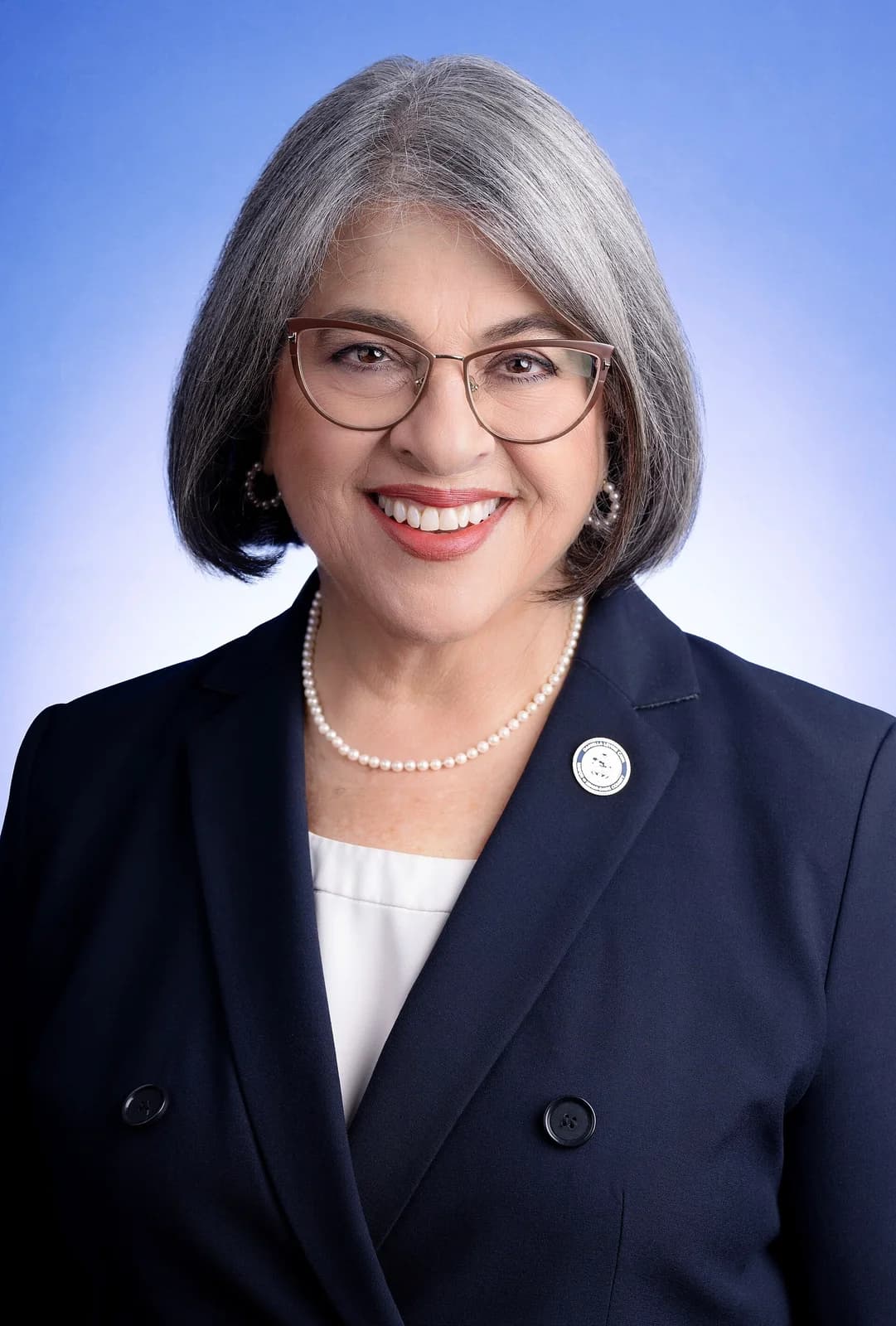
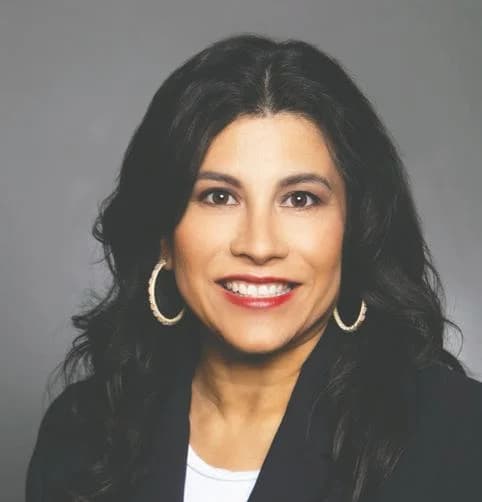
Daniella Levine Cava
Miami-Dade County Mayor Daniella Levine Cava, the first woman to hold the position, guides nearly 3 million residents and a $12 billion budget through rapid expansion and infrastructure demands.
View full profileHer administration has spearheaded construction of over 9,000 affordable and workforce housing units since taking office, with 12,000 additional units advancing through the PROSPER Initiative on underused county properties. The mayor's agenda emphasizes economic expansion, adding 120,000 jobs amid a 3.2% unemployment rate through STRIVE305 permitting reforms aiding 75,000 small businesses.
However, according to Axios, in 2022 the county commission overrode her veto on a project extending development beyond the Urban Development Boundary, highlighting the ongoing tensions between growth and environmental protection that define Miami-Dade politics.
Carlos Giménez: From Miami-Dade to Capitol Hill
U.S. Representative Carlos Giménez represents Florida's 26th Congressional District, leveraging his firefighting background and two decades in Miami-Dade government to shape federal policy on infrastructure, homeland security, and technology. The Cuban-born firefighter-turned-politician engineered fiscal transformations across South Florida's government since 2000.
His tenure as Miami-Dade County Mayor from 2011 to 2020 solidified his reputation for budget discipline, orchestrating the county's largest tax cut and returning $2 billion to taxpayers while managing infrastructure challenges and emergency response operations. Now in Congress since 2020, Giménez brings frontline emergency management expertise to committees focused on transportation, security, and technological innovation.
Giménez faces a new challenge in 2026, as Local10.com reports that a Venezuelan-American entrepreneur, son of a Venezuelan pastor and former Google executive, announced his run on April 2, 2026, to challenge the incumbent congressman who served as Miami-Dade mayor before entering Congress in 2021.
What makes these political leaders uniquely influential in Miami?
- Geographic proximity to Latin America positions Miami politicians as key voices in hemispheric policy and immigration reform
- Control over massive infrastructure projects, from Miami International Airport expansions to transit systems serving hundreds of thousands daily
- Oversight of real estate and development policies that shape one of America's fastest-growing metropolitan areas
- Management of climate resilience initiatives critical to a coastal region facing sea-level rise
- Influence over policies affecting major industries including tourism, international trade, and emerging tech sectors
How do Miami's political dynamics compare to other major cities?
| Leader | Current Role | Key Focus Areas | Recent Developments |
|---|---|---|---|
| Donald Trump | 47th President | America First policies, Mar-a-Lago operations | Justice Dept upheaval, legal challenges |
| Ron DeSantis | Florida Governor | Education reform, voting laws, environment | Citizenship voting requirements signed |
| Daniella Levine Cava | Miami-Dade Mayor | Housing, economic growth, infrastructure | 12,000+ housing units in pipeline |
| Carlos Giménez | U.S. Representative | Homeland security, transportation | Facing 2026 challenger |
| Francis Suarez | Former Miami Mayor | Tech innovation, economic development | Transitioned to private legal practice |
Miami's political influence extends far beyond city limits, with local leaders often serving as national voices on immigration, climate policy, and hemispheric relations due to the region's unique geographic and demographic position.
What challenges face Miami's political establishment in 2026?
The intersection of federal oversight and local governance creates unique pressures for Miami's political leaders. Legal challenges continue mounting, from voting rights lawsuits targeting DeSantis's citizenship requirements to ongoing federal investigations affecting Trump administration officials.
According to Local10.com, three FBI agents were fired after investigating Trump-related files, amid a class action suit alleging a 'retaliation campaign,' illustrating how national political tensions directly impact South Florida's federal workforce and law enforcement community.
Meanwhile, the region's rapid growth strains infrastructure and housing systems that local leaders must address while navigating partisan divides and federal policy shifts. The challenge of balancing development pressures with environmental protection remains central to Miami-Dade's political discourse.
As these power players continue shaping South Florida's trajectory, their decisions reverberate through real estate markets, tourism industries, and the daily lives of millions of residents navigating one of America's most dynamic and politically consequential metropolitan regions.