Miami's real estate transformation from a sleepy beach town to a global luxury destination didn't happen overnight. It required visionaries who saw potential in forgotten neighborhoods, entrepreneurs who built billion-dollar empires from modest beginnings, and innovators who understood that modern urban living demands more than just four walls and a roof.
The revolution spans multiple generations of developers, from pioneers who revitalized Art Deco districts to today's leaders creating sustainable, mixed-use communities. Their collective impact has generated tens of billions in economic activity while fundamentally reshaping how Miami thinks about urban development, cultural integration, and community building.
The Pioneers Who Transformed Neighborhoods Into Destinations
Tony Goldman's vision exemplifies the transformative power of real estate development as cultural catalyst. Starting with 15 Upper West Side buildings in Manhattan in 1968, Goldman Properties pioneered the concept of neighborhood revitalization through art and architecture. His Manhattan success with SoHo's cast-iron loft revival from 1977-1984, involving 18 renovated properties and new eateries, established the blueprint for creative district development.
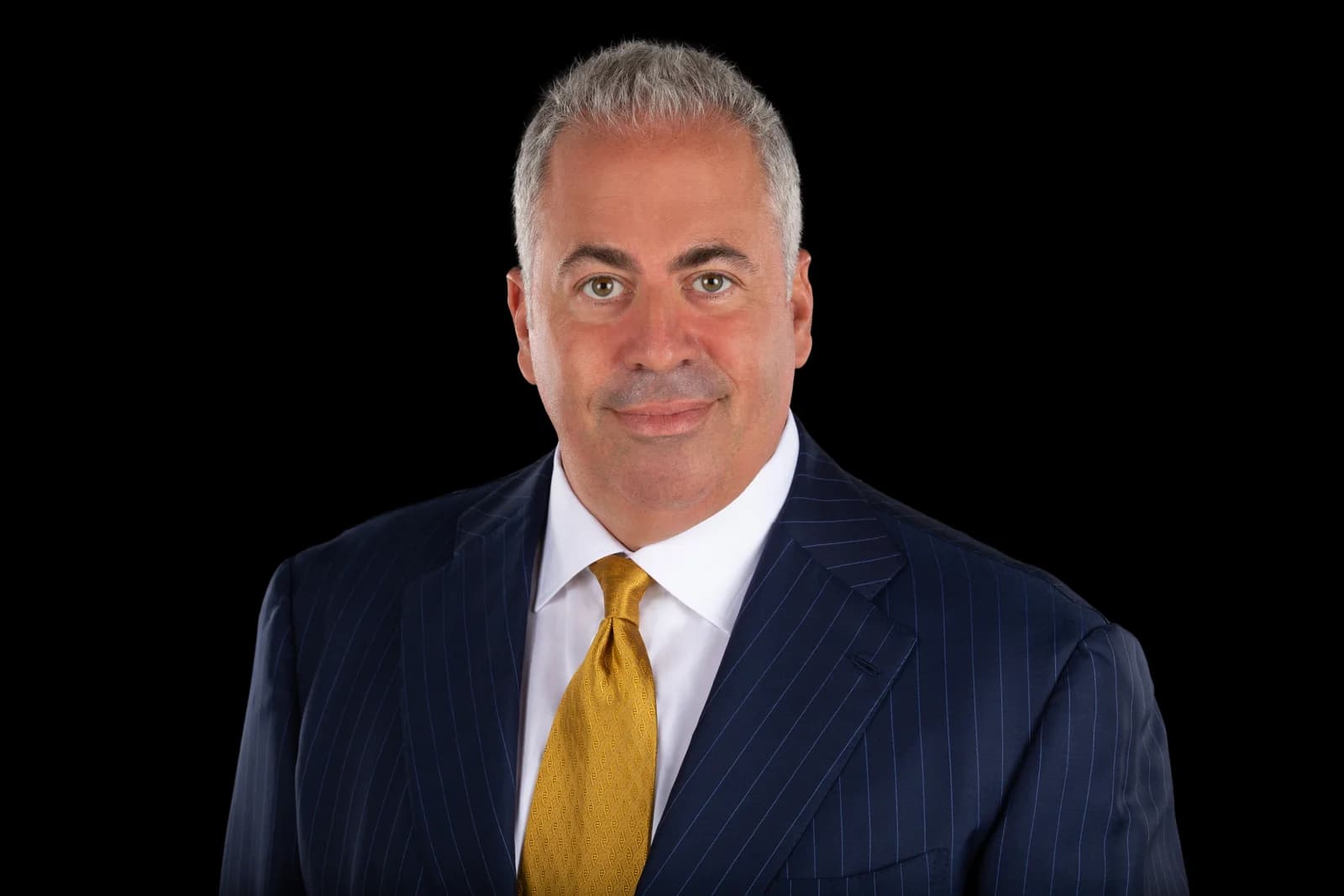
Tony Goldman
Tony Goldman (1943-2012), founder of Goldman Properties, pioneered urban renewal by reviving neglected districts with historic architecture, art infusions, and vibrant placemaking that defined Miami Beach's Art Deco renaissance and Wynwood's mural revolution.
View full profileGoldman's Miami Beach intervention in the 1980s proved equally transformative. By restoring 18 Art Deco gems on Ocean Drive, he catalyzed South Beach's ascent as a pedestrian haven and international destination. But his most audacious move came in 2007 with the Wynwood pivot—acquiring warehouses to create the Wynwood Walls, now America's largest outdoor street art showcase attracting millions of visitors annually.
Goldman Properties continues under family leadership with co-chairs Jessica Goldman Srebnick and Joey Goldman, honoring the founder through The Tony Hotel South Beach rename and a $1.5 million University of Miami endowment for real estate urbanism.
The Empire Builders Reshaping Miami's Skyline
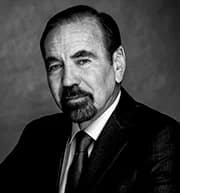
Jorge M. Pérez's journey from affordable housing to luxury empire illustrates Miami's real estate evolution at scale. The Argentine-American pioneer launched Related Group in 1979 alongside Stephen Ross, building from modest origins to become Miami's dominant luxury condominium developer. His portfolio now encompasses over 120,000 residences delivered and $50 billion in sales across landmark projects like Baccarat Residences and Fisher Island luxury towers.
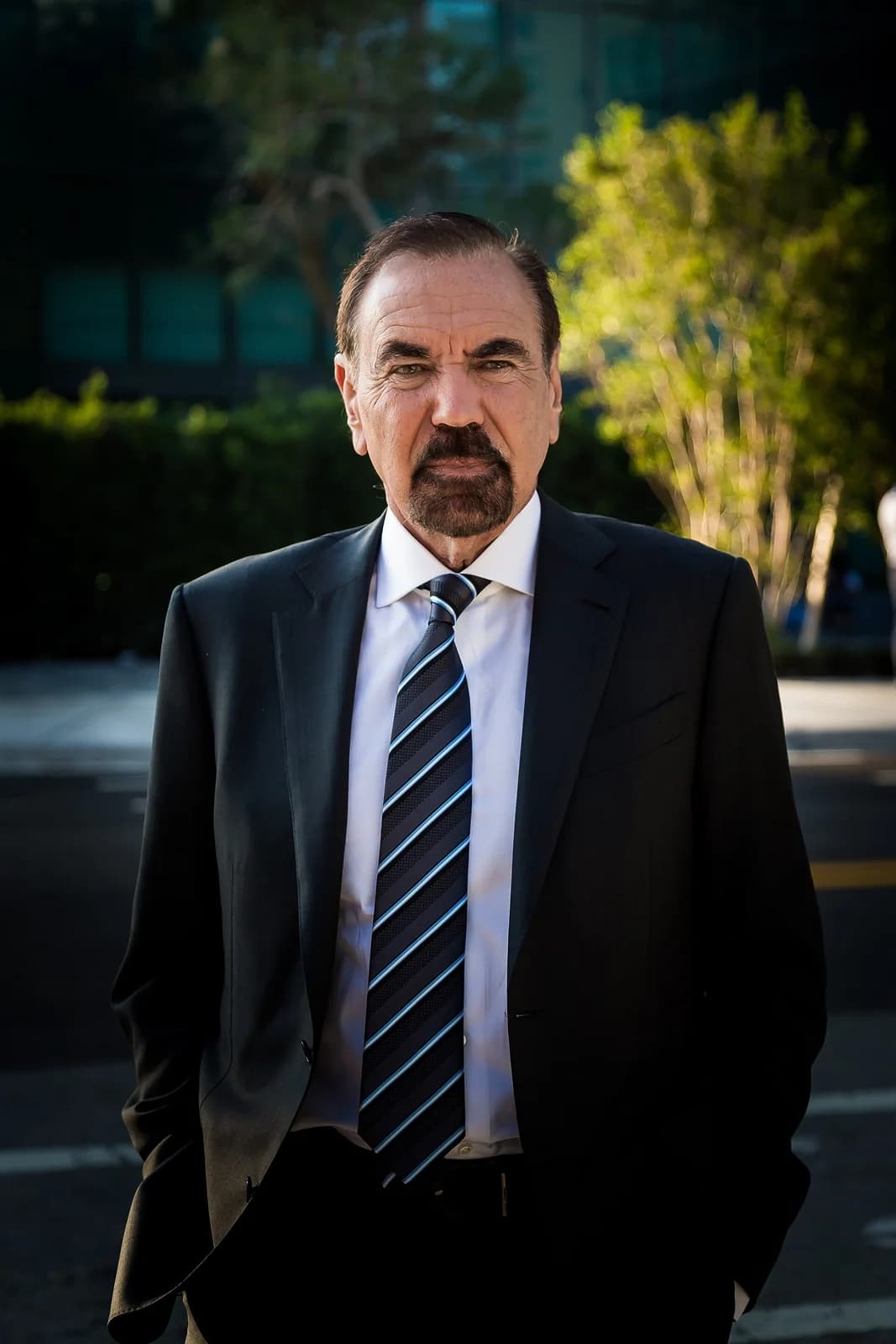
Jorge M. Pérez
Founded 1979; largest multifamily real estate developer in Florida, with over 120,000 residences built
The Related Group's success extends beyond individual buildings to reshaping South Florida's urban fabric through mixed-use developments that blend high-end residential with art programming. Pérez's vision emphasizes community-integrated urban growth, supported by cultural institutions and affordable housing initiatives including recent Broward County portfolio sales.
Leadership transition at Related Group demonstrates the empire's maturation. After orchestrating a rigorous 20-year succession plan requiring his sons to earn MBAs and compete in rival firms, Pérez transitioned CEO authority to son Jon Paul in March 2025 while positioning Nicholas as president of the condominium division, securing continuity across the $40 billion empire.
The New Generation Embracing Sustainable Innovation
Nick Pérez represents the evolution of luxury development philosophy at Related Group. As President of the Condominium Division, he directs a $15 billion portfolio emphasizing sustainability and innovation. His oversight covers over 20 active projects including St. Regis Residences in Miami and Residences at Six Fisher Island, while securing $2.3 billion in financing for expansion ventures.
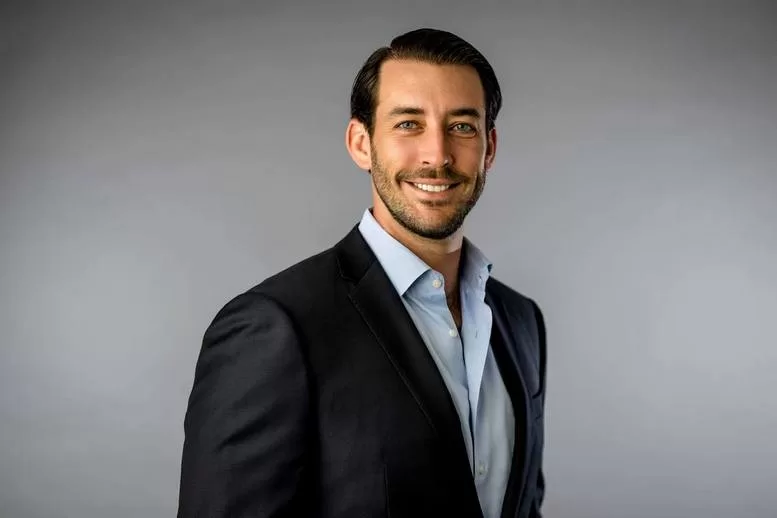
Nick Pérez
Nick Pérez leads Related Group's Condominium Division as President, directing a $15 billion portfolio of luxury developments that redefine South Florida's skyline. Collaborating with family executives Jorge M. Pérez and Jon Paul Pérez, he drives expansion through high-profile brand partnerships and innovative projects.
View full profileTerra Group, founded in 2001 by David and Pedro Martin, exemplifies the new approach to urban development. Specializing in luxury residential, mixed-use, hospitality, and commercial projects, Terra's portfolio surpasses 5 million square feet valued over $8 billion. Their Miami placemaking strategy emphasizes resilience, stakeholder collaboration, and transit-oriented communities that reduce car dependence.

Terra Group
Terra Group is a premier Miami-based real estate developer founded in 2001 by David and Pedro Martin, specializing in luxury residential, mixed-use, hospitality, and commercial projects that transform South Florida communities. With a portfolio surpassing 5 million square feet valued over $8 billion, Terra Group drives urban innovation through iconic developments like Five Park Miami Beach, Villa Miami in Edgewater, and the Grand Hyatt Miami Beach convention center hotel. Their Miami placemaking strategy emphasizes resilience, stakeholder collaboration, and high-profile acquisitions such as the Miami Seaquarium ground lease and Key Biscayne oceanfront site.
View full profile- Five Park Miami Beach - Luxury residential with beach proximity
- Villa Miami in Edgewater - Mixed-use waterfront development
- Grand Hyatt Miami Beach - Convention center hotel integration
- Grove Central - Transit-oriented community blending retail and residential
Cultural Destinations Drive Economic Impact
The Miami Design District transformation showcases how real estate development can create cultural and economic powerhouses. Developed by Miami native Craig Robins' Dacra in partnership with L Catterton Real Estate and Brookfield, the district spans nearly one million square feet featuring flagship stores from Hermès, Gucci, and LVMH labels.

Design District
The Miami Design District is a premier luxury shopping, dining, and cultural destination spanning nearly one million square feet in Miami, transformed from a 1920s furniture hub into an internationally recognized neighborhood featuring flagship stores from brands including Hermès, Gucci, and LVMH labels. Spearheaded by Miami native Craig Robins' Dacra in partnership with L Catterton Real Estate and Brookfield, the district serves as South Florida's cultural epicenter with world-class architecture, contemporary art galleries, award-winning restaurants, and abundant public art installations. The district continues to expand with major developments including a 26-story residential tower designed by Pritzker Prize-winning architect David Chipperfield, featuring 143 condominium residences and a hotel component, alongside ongoing retail and office leasing that attracts global visitors and affluent residents.
View full profile
Craig Robins
Craig Robins serves as CEO and President of Dacra, steering Miami's urban evolution through innovative projects that fuse luxury retail, residential spaces, and world-class art installations.
The district's impact extends beyond retail, serving as South Florida's cultural epicenter with world-class architecture, contemporary art galleries, and award-winning restaurants. Home to over 130 flagship stores from Louis Vuitton to Dior, it generates billions in economic activity while hosting Art Basel events and design exhibitions.
Art Basel
Continued expansion includes a 26-story residential tower designed by Pritzker Prize-winning architect David Chipperfield, featuring 143 condominium residences and hotel components alongside ongoing retail and office leasing that attracts global visitors and affluent residents.
The Next Wave: Ambitious Projects Reshaping Midtown
Carlos Rosso's Midtown Park represents the future of Miami development. The $2 billion mixed-use project at 3055 N. Miami Avenue, approved by Miami's Urban Development Review Board, features 924 residences across multiple towers, 60,000 square feet of offices, over 120,000 square feet of retail and dining, public plazas, and ULTRA Padel's expansive racquet club.
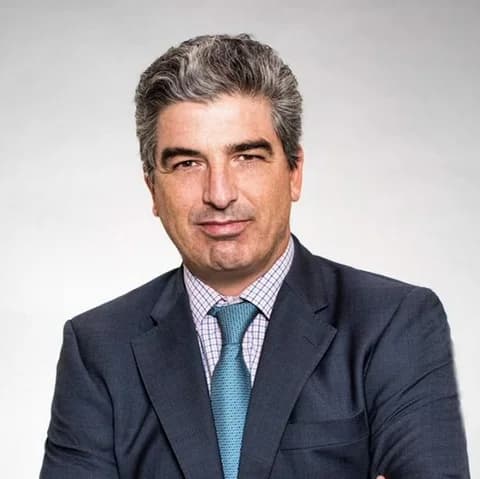
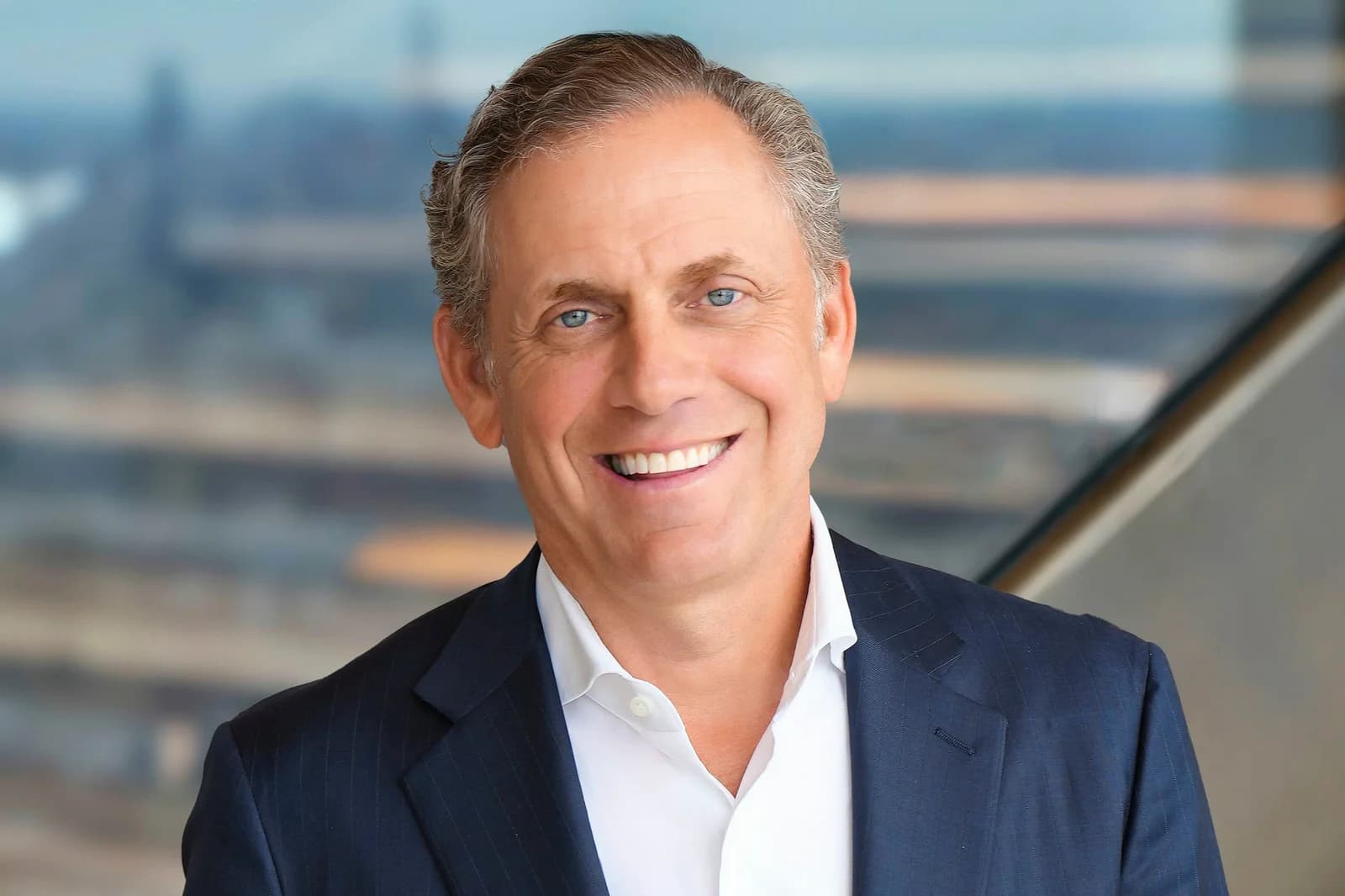
Carlos Rosso
Carlos Rosso, Founder and CEO of Rosso Development, leads the charge on Midtown Park, a $2 billion mixed-use project reshaping Midtown Miami into a vibrant nexus of residences, offices, retail, and elite padel facilities.
View full profileThe initial 28-story Midtown Park Residences by Proper, designed by Arquitectonica with Meyer Davis interiors, offers 288 branded units including penthouses with private rooftop pools and 360-degree views, slated for 2028 completion. Rosso's decade-long site stewardship emphasizes wellness, walkability, and patient phasing to activate the long-vacant lot as Miami's premier urban social destination.
National Players Recognize Miami's Potential
Bruce A. Beal Jr.'s involvement through Related Companies demonstrates national recognition of Miami's development opportunities. As President and Partner, Beal guides nationwide projects while supervising over 61,000 affordable units through Related Affordable. His deep Miami ties include studies at the University of Miami and a vice chair role with the NFL's Miami Dolphins.
The financial infrastructure supporting Miami's real estate revolution includes specialists like Kevin Thompson at Iron Hound Management, who orchestrates complex debt restructurings for landmark commercial properties. His South Florida operations channel strategic refinancings that bolster Miami's dynamic commercial real estate landscape.
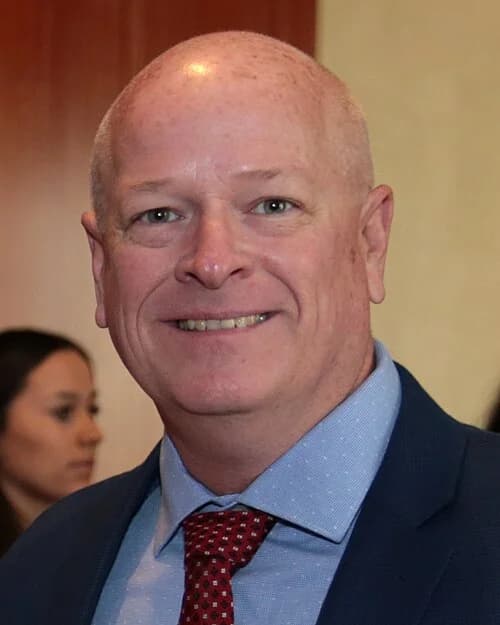
Kevin Thompson
As Managing Director at Iron Hound Management, Kevin Thompson orchestrates intricate debt restructurings and financings for landmark commercial properties across the U.S. His 16+ years of expertise fuel high-stakes deals from retail giants to office complexes.
View full profileThe Future Architecture of Miami
The next generation of designers brings fresh perspectives to Miami's evolving landscape. University of Miami architecture students like Lisa Chen craft forward-thinking multi-family housing prototypes that fuse cultural heritage with high-density innovations for underserved urban areas. Her work includes eco-friendly, community-focused designs that pioneer wood-framed, resident-focused approaches.
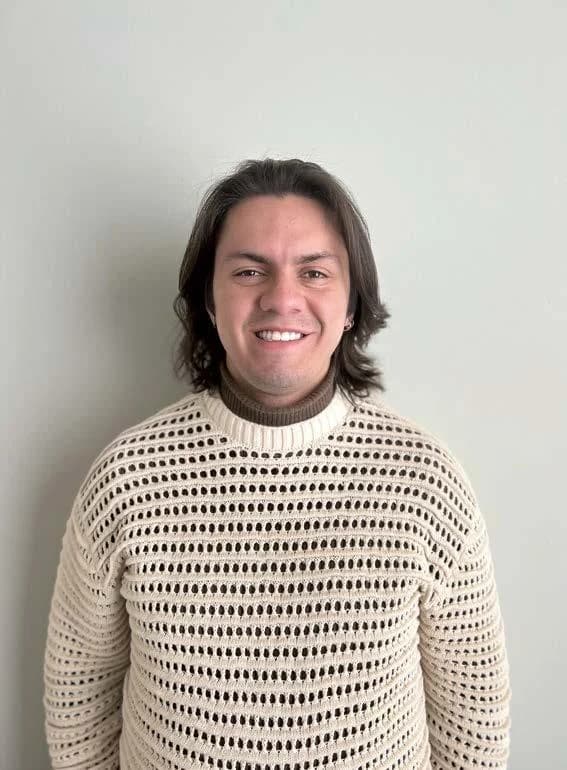
Lisa Chen
Fourth-year architecture student at the University of Miami School of Architecture, Lisa Chen crafts forward-thinking multi-family housing prototypes that fuse cultural heritage with high-density innovations for underserved urban areas.
View full profileChen's projects, including the 2023 Solar Decathlon Steppe House and Mother-Baby Community Center, demonstrate how Miami's tropical architecture scene inspires innovations addressing pressing density challenges while respecting community traditions.
Miami's Position in the Global Real Estate Market
Miami's real estate revolution reflects broader shifts in how global capital views the city. International expertise, exemplified by professionals like Sandra Evans at ONE Sotheby's International Realty, brings sophisticated cross-border knowledge to South Florida's competitive coastal markets. Her background spanning London, Dubai, and Tokyo positions Miami within global luxury property networks.

Sandra Evans
Sarah Evans negotiates high-value residential transactions across South Florida's luxury markets as a Global Real Estate Advisor at ONE Sotheby's International Realty, drawing on two decades of international property experience in London, Dubai, and Tokyo.
View full profileHigh-value transactions ranging from mid-six figures to $5.8 million across waterfront Highland Beach estates and gated Delray Beach communities demonstrate Miami's appeal to international high-net-worth clients seeking lifestyle and investment balance.
The Revolution's Lasting Impact
Miami's real estate revolution has fundamentally transformed the city from a regional vacation destination to a global urban center. The integration of luxury residential with cultural programming, sustainable design with transit accessibility, and international capital with local community needs has created a development model that other cities study and attempt to replicate.
As projects like Midtown Park prepare for completion and the Design District continues expanding, Miami's real estate leaders have established a foundation for continued growth that balances economic development with cultural authenticity. The revolution continues, driven by visionaries who understand that great cities require more than just great buildings—they need great communities.