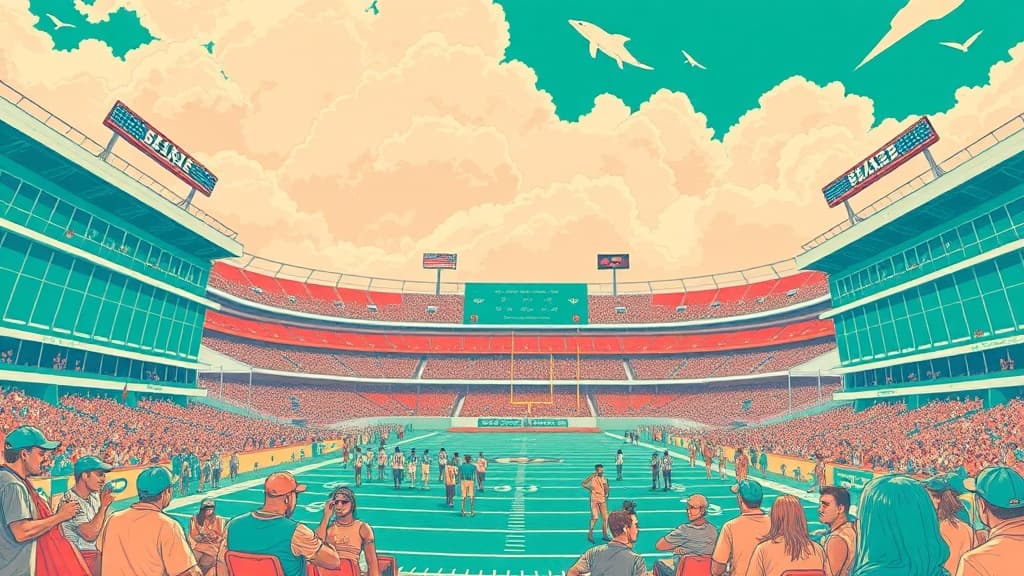
In the pantheon of American sports franchises, few carry the weight of perfection like the Miami Dolphins. This is the only team in NFL history to complete an undefeated season, a feat that grows more mythical with each passing year. But the Dolphins' story extends far beyond that legendary 1972 campaign—it's become the blueprint for how a sports franchise can anchor an entire region's identity.

Miami Dolphins
The Miami Dolphins are a professional American football team competing in the NFL's AFC East division, based in Miami Gardens, Florida. As the only franchise in NFL history to complete a perfect undefeated season, the Dolphins achieved a legendary 17–0 record in 1972 and won back-to-back Super Bowl championships (VII and VIII) under iconic coach Don Shula's leadership. With five AFC conference titles and a rich history spanning nearly six decades since their 1966 founding, the Dolphins represent South Florida's prominent place in professional sports and continue competing at the highest levels of American football.
View full profileThe Miami Dolphins are woven into South Florida's identity like no other institution. Founded in 1966, they've united generations of fans while evolving from a football team into a comprehensive entertainment powerhouse that generates massive economic impact across Miami-Dade County.
The Foundation of Greatness
The Miami Dolphins compete in the NFL's AFC East division, operating from their Miami Gardens headquarters. Their storied history includes that perfect 17-0 season in 1972, followed by back-to-back Super Bowl championships in Super Bowl VII and VIII under the legendary leadership of coach Don Shula. These achievements weren't just wins—they were cultural moments that established Miami as a serious sports city.
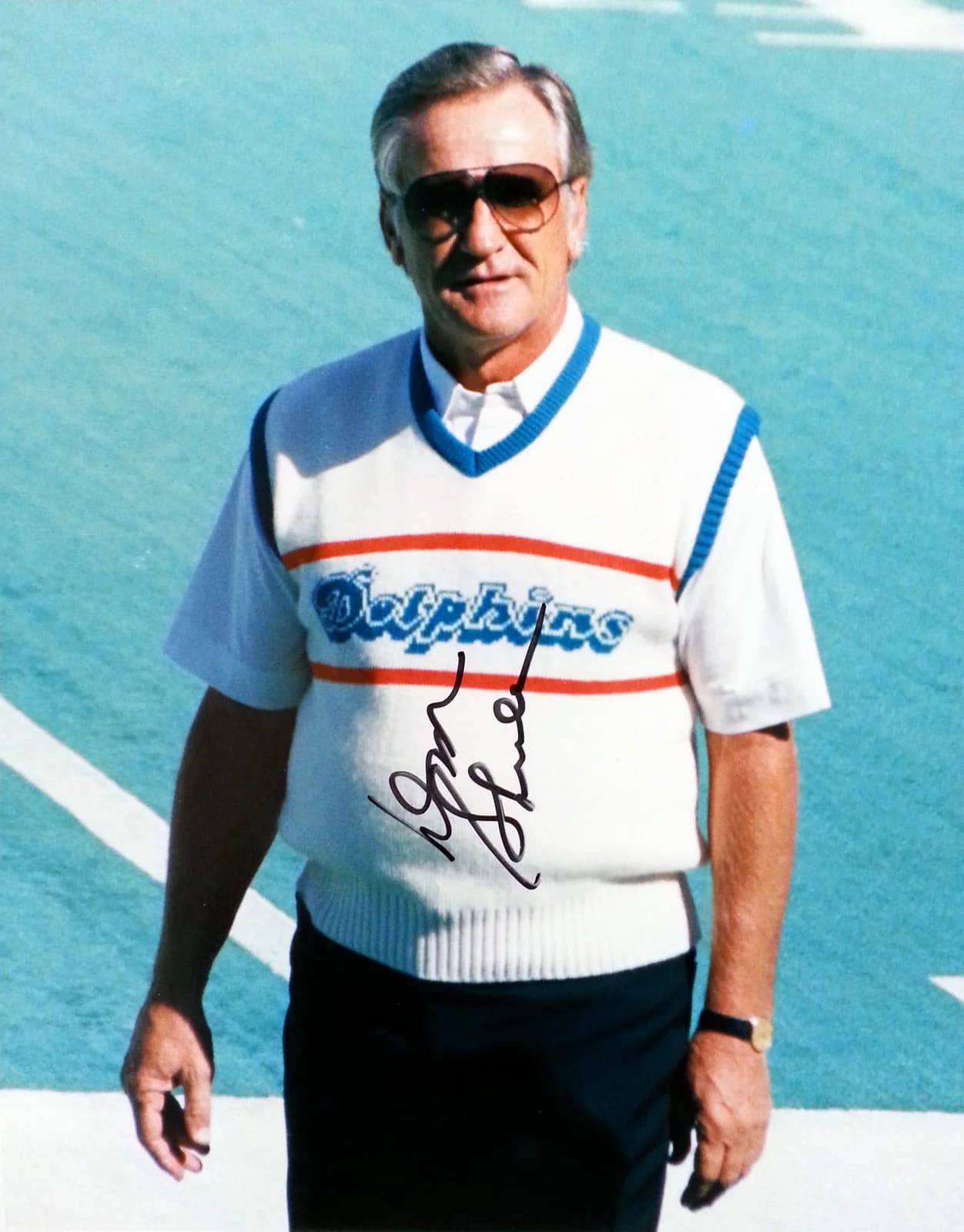
Don Shula
Legendary Hall of Fame NFL head coach (retired) who holds the record with 347 career victories, including a transformative 26-year run leading the Miami Dolphins to NFL dominance and the league's sole perfect season.
With five AFC conference titles spanning nearly six decades of competition, the Dolphins have consistently represented South Florida's prominent place in professional sports. Their success transcended the field, helping establish Miami as a destination where champions are made.
The Ross Era: Billion-Dollar Vision
Under owner Stephen Ross's leadership, the Dolphins have undergone a dramatic transformation that extends far beyond football. Ross has invested billions in Hard Rock Stadium and surrounding development, creating what insiders call a "year-round entertainment destination" that hosts Super Bowls, concerts, and Formula 1 races.
According to archived Miami-Dade County records, commissioners and Mayor Carlos Gimenez approved taxpayer funds in the early 2010s to build a retractable roof for the stadium, a move that benefited Ross's vision for the facility. This public-private partnership exemplified how the Dolphins became more than a sports team—they became an economic engine.
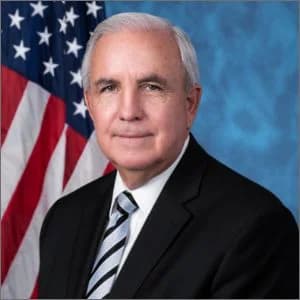
Carlos Gimenez
U.S. Representative for Florida's 26th Congressional District, Carlos Giménez leverages his firefighting background and two decades in Miami-Dade government to shape federal policy on infrastructure, homeland security, and technology.
Hard Rock Stadium now hosts major events year-round, from international soccer matches to music festivals, generating hundreds of millions in economic impact for South Florida.
A Network of Miami Legends
The Dolphins' influence extends through Miami's interconnected network of sports and business elite. Former Miami Heat stars like LeBron James and Chris Bosh, who led their team to NBA Championships in 2012 and 2013, represent the broader ecosystem of championship-caliber athletics that defines Miami sports culture.
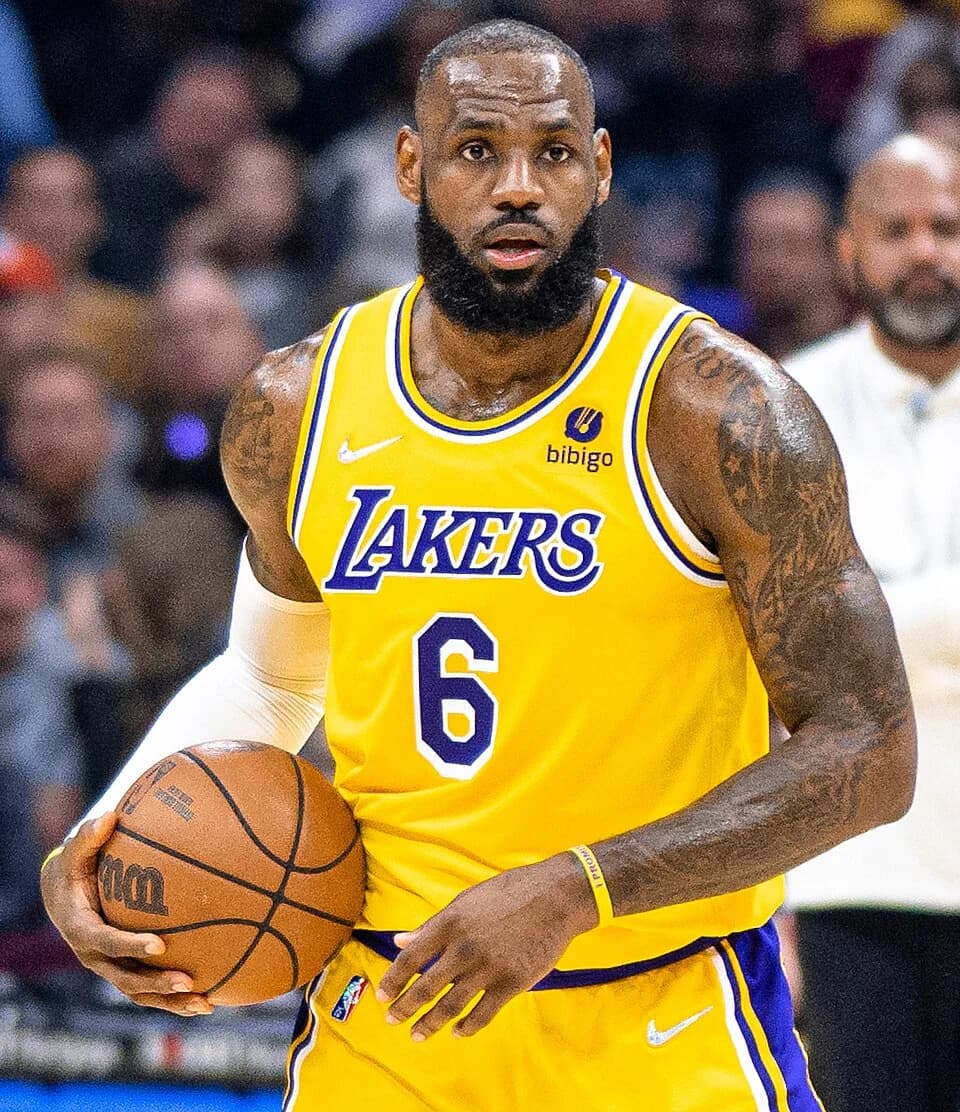
LeBron James
LeBron James, forward for the Los Angeles Lakers, dazzles at 41 in his 23rd NBA season, logging triple-doubles and All-Star nods while powering a 41-25 Western Conference contender. His four seasons with the Miami Heat forged a championship core, clinching titles in 2012 and 2013 that reshaped South Florida hoops.
View full profileChris Bosh
Chris Bosh, an 11-time NBA All-Star and 2008 Olympic gold medalist, exemplifies this connection. According to Haute Living, Bosh and his wife Adrienne oversee Team Tomorrow Inc., a nonprofit focused on Miami community initiatives, while he sold his Miami Beach waterfront mansion for $14.4 million in January 2021—moves that demonstrate how elite athletes invest in Miami's future.
Business leaders like Mike Fernandez, founder of MBF Healthcare Partners, have also supported this sports ecosystem. According to Haute Living, the Cuban immigrant billionaire donated $1 million to the Mourning Foundation, connecting healthcare success with athletic philanthropy in a way that's uniquely Miami.

Mike Fernandez
As Chairman and CEO of Coral Gables-based MBF Healthcare Partners, Mike Fernandez directs private equity investments into expanding healthcare services across the U.S. His journey from Cuban refugee to healthcare magnate has fueled transformative deals and deep-rooted philanthropy in South Florida.
View full profileEconomic Impact and Cultural Legacy
The Dolphins' economic footprint extends far beyond game day. Hard Rock Stadium's transformation into a premier entertainment venue has created thousands of jobs and attracted international events that put Miami on the global stage. From hosting Super Bowls to Formula 1 races, the facility has become a cornerstone of South Florida's tourism and entertainment economy.
- Only NFL franchise with a perfect undefeated season (17-0 in 1972)
- Five AFC conference titles across nearly six decades
- Back-to-back Super Bowl championships (VII and VIII)
- Billions invested in stadium and surrounding development
- Year-round entertainment destination hosting major international events
The franchise's cultural impact runs deeper than economics. The Dolphins have created a shared identity for South Florida residents, from Little Havana to Boca Raton. Their aqua and orange colors are as recognizable in Miami as the Art Deco buildings of South Beach.
Looking Forward: The Next Chapter
As the Dolphins continue competing at the highest levels of American football, their role as Miami's sports anchor only grows stronger. The team represents continuity in a city known for constant change—a bridge between Miami's past achievements and future aspirations.
The perfect season of 1972 may never be matched, but the Dolphins' evolution into a comprehensive entertainment and economic powerhouse ensures their relevance for generations to come. In a city where image matters, the Dolphins provide substance—a reminder that excellence, once achieved, can become the foundation for even greater success.
For Miami, the Dolphins aren't just a football team. They're proof that with the right vision, investment, and commitment to excellence, a sports franchise can become the beating heart of an entire region. In South Florida, that heart beats aqua and orange.