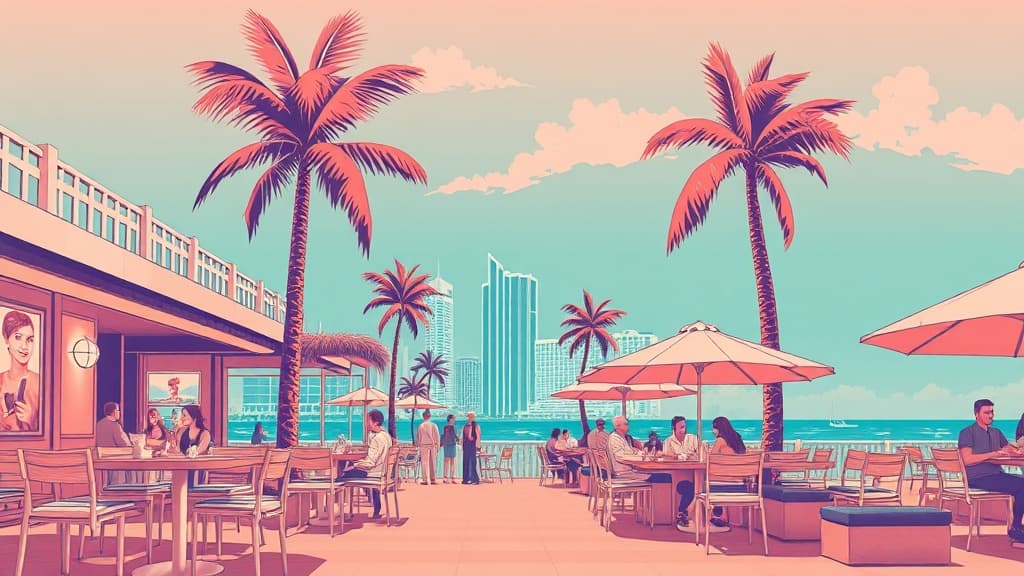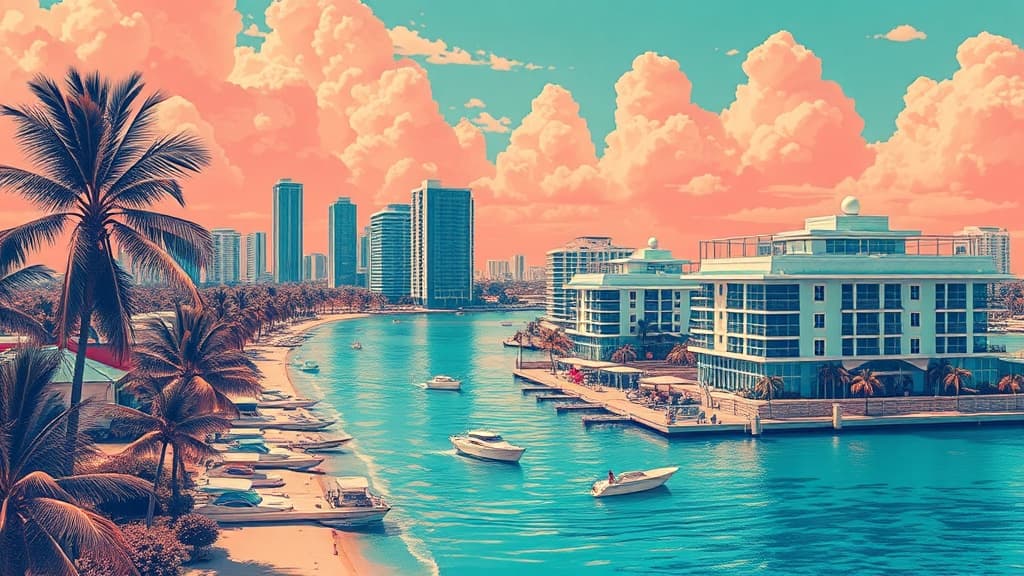
For the first time in nearly a decade, Miami has achieved what many thought impossible: it has officially overtaken New York as America's luxury real estate capital. With 10,591 homes listed at $1 million or more in December, according to Realtor.com data, Miami has ended New York's long-standing dominance in the ultra-high-end market. But this milestone tells a more complex story about who's moving to Miami—and why some are already planning their exit.
The numbers paint a picture of dramatic wealth migration. Miami metro drew 55,244 interstate job movers in 2024, with 13% working in professional, scientific, and technical fields—nearly double the 6.8% rate among lower-income migrants, per Realtor.com analysis. These high-earners brought $5.1 billion to the local economy from the first three quarters of 2024 alone, primarily from New York, Texas, Georgia, California, and New Jersey.
The Tax Exodus That Built a City
The driving force behind Miami's luxury boom isn't just sunshine—it's savings. Florida's absence of state income tax has become a powerful magnet for wealth, particularly as other states increase their tax burdens. Former Miami Mayor Francis Suarez has been vocal about this competitive advantage, calling New York's high taxes and policies a "death spiral" that's pushing taxpayers to Florida, according to Fox Business reporting.
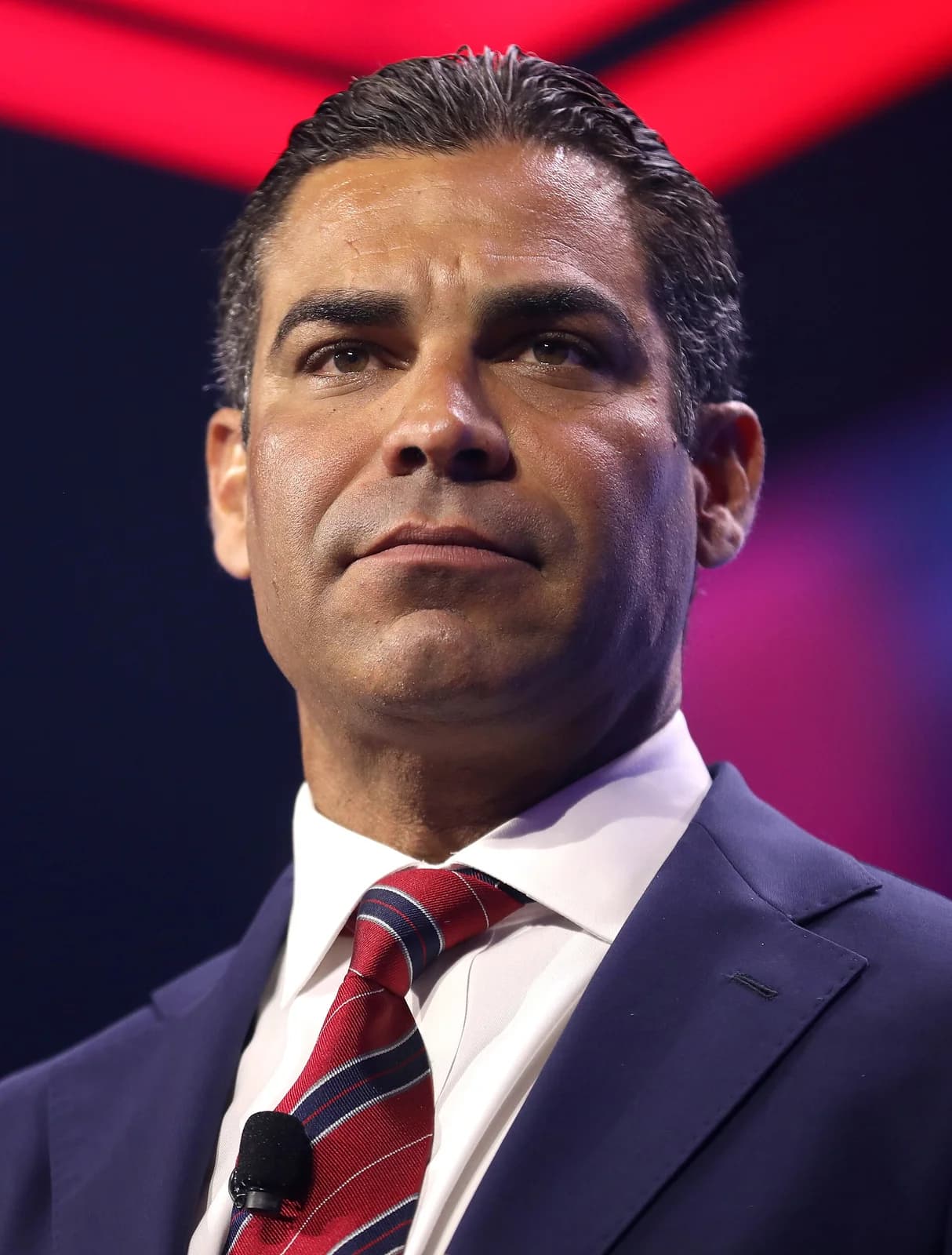
Francis Suarez
Francis Suarez, former Mayor of Miami, steered the city through explosive economic expansion and tech ascendancy from 2017 to early 2026, negotiating landmark deals like Miami Freedom Park while slashing unemployment to 2.3% and pioneering resilient infrastructure amid rising seas.
Miami is not replacing New York. It is joining New York as a co-capital of American luxury real estate.
Herman's assessment captures the essence of Miami's evolution. The city offers what New York increasingly cannot: waterfront living, newer construction, resort-level amenities, and a lifestyle component that extends beyond work. According to Fox Business, Miami's appeal lies in its ability to combine luxury with livability in ways that older, more constrained markets struggle to match.
The Great Florida Migration Paradox
Yet Miami's success story exists within a broader Florida migration paradox. The state's net domestic migration has plummeted 93% in just three years, from 310,892 in 2022 to just 22,517 last year, according to U.S. Census data cited by Realtor.com. This dramatic decline suggests that while Miami continues to attract wealthy professionals, the broader Florida dream is losing its luster for many Americans.
International migration helps fill the gap: net arrivals from abroad totaled approximately 124,000 in the latest full-year data, averaging about 155 people per day moving to South Florida from overseas.
Gay Cororaton, an economist quoted by Realtor.com, noted that while these high-earning newcomers sustain luxury demand and boost the tech, finance, and real estate sectors, they also strain local affordability for existing residents. This creates a two-tier system where Miami simultaneously becomes more attractive to the wealthy and less accessible to everyone else.
The Young and the Restless
Perhaps nowhere is this tension more evident than among Miami's youngest residents. According to a Gensler survey conducted and released in 2025, young people aged 18-34 without children rank Miami third-highest nationally for likelihood to leave, with 51.8% saying they're "very likely" or "likely" to relocate.
FIU student Joshua Gutierrez embodies this sentiment. "I just knew if I want to be successful in my career, I can't stay in Miami," he told WLRN, citing scarce entry-level jobs and poor transit infrastructure. His perspective reflects broader concerns about Miami's economic structure, where 60% of employment concentrates in leisure, hospitality, healthcare, and retail—sectors that struggle to cover the city's escalating housing costs.
- High living costs relative to local wages
- Limited entry-level professional opportunities
- Inadequate public transportation infrastructure
- Rising crime concerns in certain areas
- Healthcare accessibility challenges
Dr. Edward Murray from FIU, quoted in WLRN's reporting, explained that these structural issues create a fundamental mismatch between available jobs and the cost of living, particularly impacting recent graduates and young professionals trying to establish careers.
Beyond the Glossy Surface
Miami's challenges extend beyond economic concerns. The city dropped dramatically from #2 to #20 in a February 2026 ranking of "Healthiest Places to Live," primarily due to housing costs and economic stress factors. Rising insurance costs, housing prices, and climate risks have contributed to broader outflows from Florida, according to Miami Herald reporting.
Yet there are signs of adaptation and stabilization. Recent data suggests that 52% of under-35 residents now plan to stay or return to Miami, up from earlier 2025 figures. This shift indicates that younger residents may be finding ways to navigate the city's challenges or that Miami is beginning to address some of their concerns.
The New Miami Reality
What emerges from this data is a portrait of a city in transition. Miami's ascension to luxury real estate leadership represents a genuine transformation—one that has repositioned it as a legitimate alternative to traditional wealth centers like New York and Los Angeles. The influx of high-earning professionals, international residents, and tax-motivated migrants has created unprecedented opportunities in finance, technology, and real estate.
For those considering a move to Miami: the city offers genuine advantages for established professionals and entrepreneurs, but young career-starters should carefully evaluate opportunities in their specific fields before relocating.
However, this success has created new challenges. As Dottie Herman noted, Miami isn't replacing New York—it's joining it as a co-capital. This means Miami must now grapple with the same issues that plague other major wealth centers: affordability, inequality, and the risk of pricing out the very communities that give a city its character.
The question isn't whether people are moving to Miami—they clearly are, in significant numbers and with significant resources. The question is whether the city can maintain its appeal while building the infrastructure, opportunities, and affordability needed to support residents across all income levels. Miami's future depends not just on attracting the wealthy, but on ensuring that its transformation doesn't come at the expense of its soul.
For now, Miami stands as America's newest luxury capital, a testament to the power of tax policy, lifestyle appeal, and strategic positioning. Whether it can sustain this growth while addressing its underlying challenges will determine if this migration trend represents a temporary shift or a permanent realignment of American urban power.