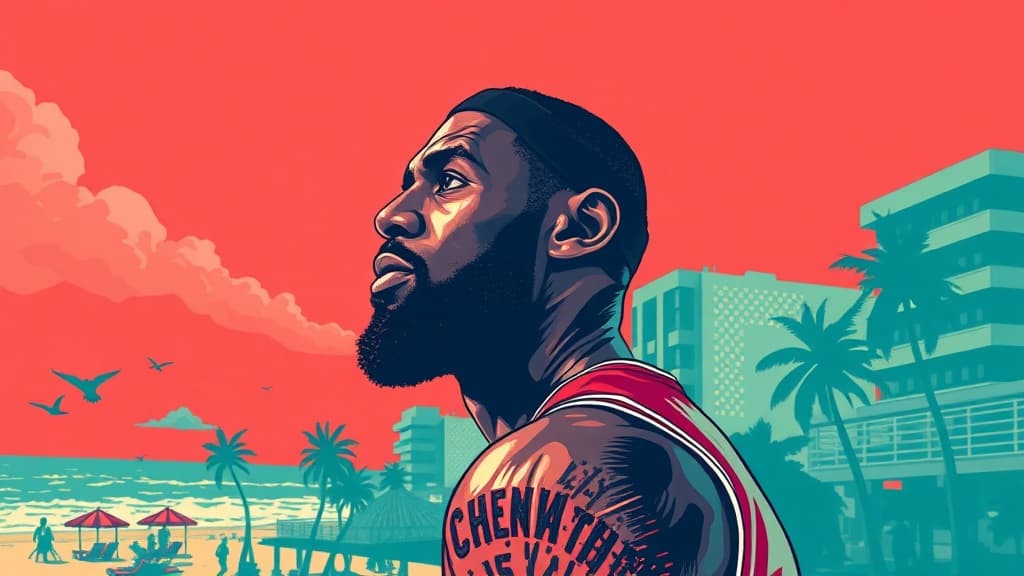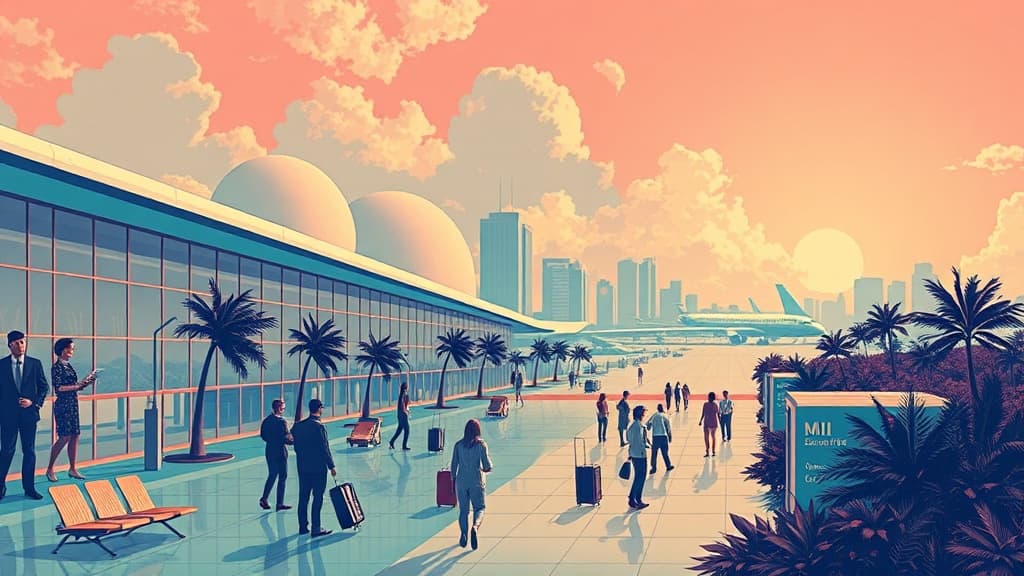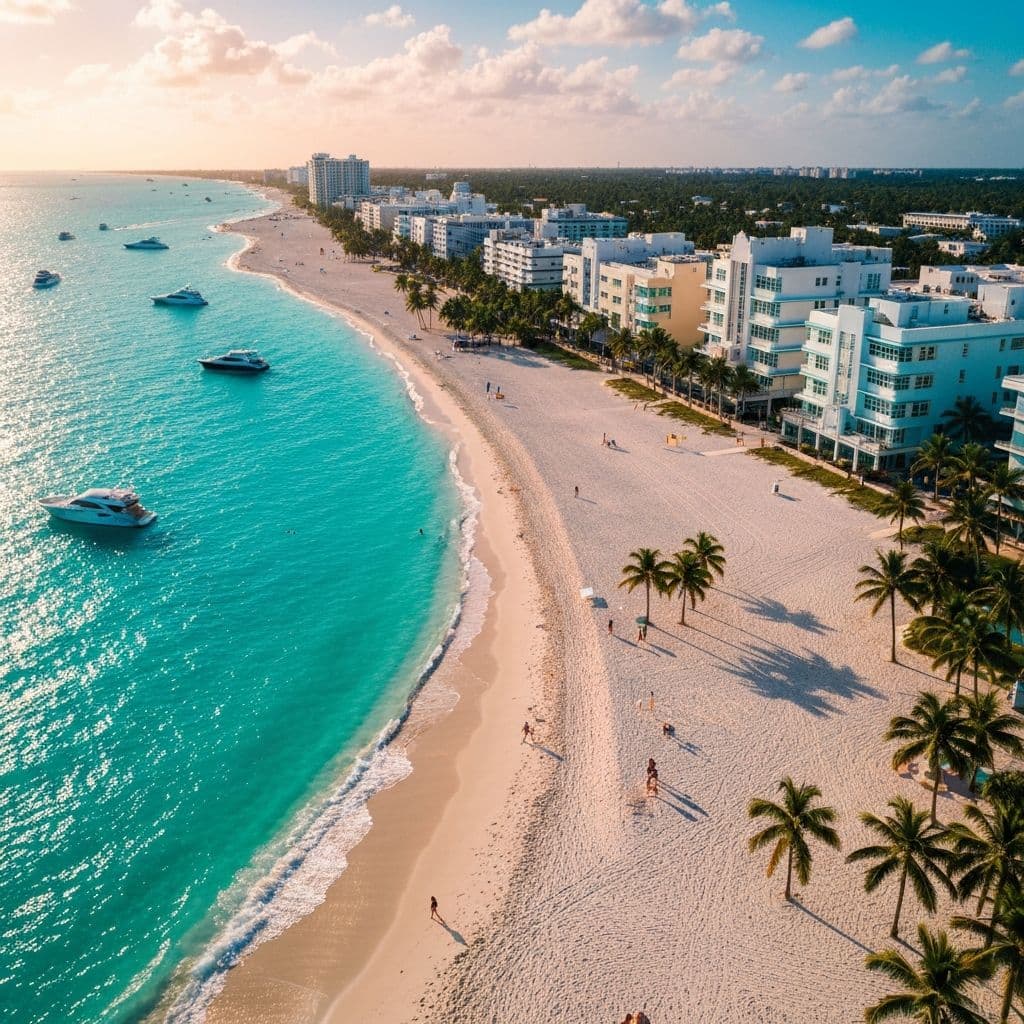
America thinks it knows Miami: beaches, nightclubs, drug lords, plastic surgery. The stereotypes are so persistent that even residents sometimes forget how wrong they are.
Yes, Miami has beaches. But it also has the largest concentration of international banks in America. The nightclub scene exists alongside serious art institutions. The drug era ended decades ago, replaced by tech money and hedge fund relocations.
The diversity defies simple narrative. Miami isn't just Cuban—it's Venezuelan, Colombian, Haitian, Brazilian, and increasingly everything else. The city has no majority, only minorities coexisting in varying degrees of harmony.
The economy has evolved beyond tourism and real estate. Healthcare, trade, finance, and increasingly tech employ hundreds of thousands in unglamorous but essential work.
Most fundamentally, Miami is serious about its future in ways the stereotypes deny. The city confronts climate change, economic inequality, and infrastructure challenges with varying success but genuine effort.
Miami is not what you think. It never was. And that's precisely what makes it worth understanding.