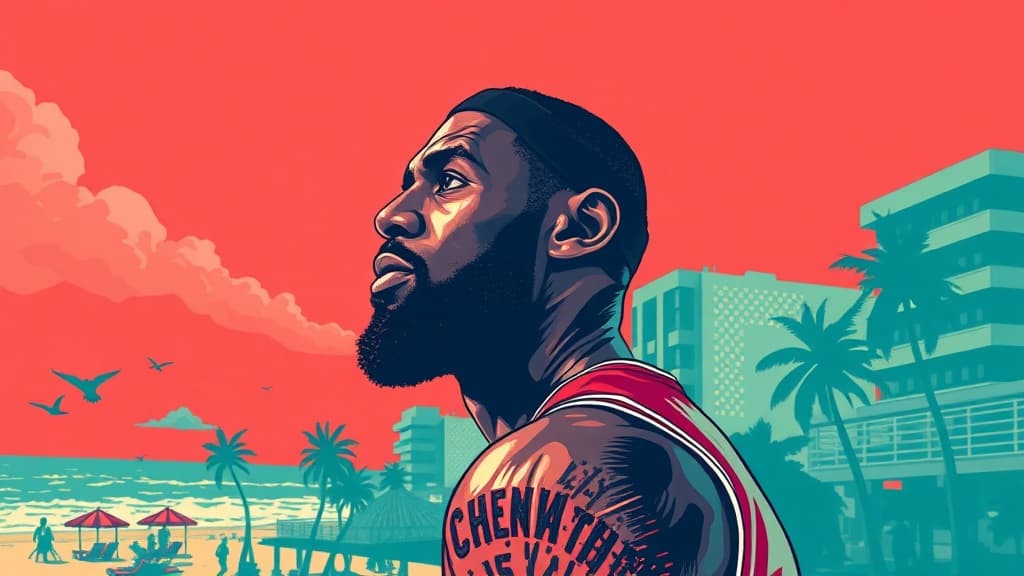
Miami is a sports town—though it took decades to prove it. Early teams played to empty stadiums. The Dolphins' dominance in the '70s felt like ancient history. But the Heat changed everything.
The LeBron James era brought global attention. The championships validated Miami as a major market. "Heat Culture"—the organization's emphasis on work ethic and sacrifice—became a model for professional sports.
Inter Miami's arrival added another dimension. Lionel Messi's signing transformed a struggling expansion team into appointment television. Suddenly, Miami mattered in the world's most popular sport.
The Dolphins still command loyalty despite decades of mediocrity. The Marlins struggle to fill stadiums but produced championship teams. The Panthers hockey team inexplicably reached the Stanley Cup Final.
Sports provide common ground in a fragmented city. In stadium seats, Cuban exiles sit next to recent arrivals from Caracas. The teams unite what politics and geography divide.