Every year, thousands of new residents make the pilgrimage to Miami, drawn by its year-round sunshine, tax advantages, and vibrant cultural scene. But behind the Instagram-worthy beaches and Art Deco facades lies a complex urban ecosystem that requires careful navigation. From a housing market that demands strategic planning to cultural nuances that can make or break your social integration, Miami rewards the prepared newcomer.
The Magic City's allure is undeniable—no state income tax, abundant outdoor activities, and a melting pot of cultures create an intoxicating blend of opportunity and lifestyle. Yet the reality of establishing roots here requires understanding both the financial commitment and the cultural landscape that defines Miami living in 2025.
The Housing Reality Check
Miami's housing market operates at a fever pitch that catches many newcomers off guard. According to industry data, most new residents spend two to three weeks searching for accommodation, though purchasing a condo typically takes longer due to vetting and approval requirements from condo associations. With median home prices currently at $600,000 and average rent for a one-bedroom apartment at approximately $2,438 per month, the financial barriers are substantial.
The cost of living sits about 21% higher than the national average, yet Florida's lack of state income tax provides a crucial offset for many residents. Financial experts suggest that to live comfortably in Miami, residents should earn up to $77,000 annually—a benchmark that reflects both the city's premium pricing and its competitive job market where salaries often lag behind living costs.
High-rise HOA fees have exceeded $1,900 per month in 2025, representing roughly $500 more than the prior year. Waterfront towers have seen approximately a 26% year-over-year increase, with special assessments in older buildings ranging from $10,000 to over $400,000 per unit in extreme cases.
Downtown Miami faces particular challenges with an oversupply crisis. The area currently has approximately 24 months of condo supply and about 4,300 new units in the pipeline—representing a 42% increase in inventory for a submarket with roughly 10,200 existing units. This oversupply creates opportunities for savvy buyers but also signals potential market volatility.
Neighborhood Navigation
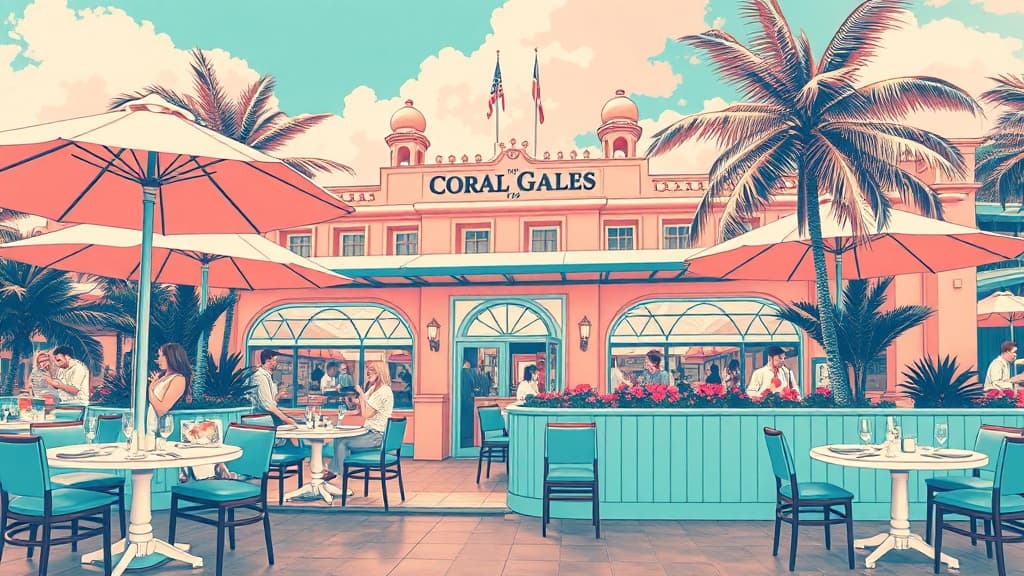
Choosing the right neighborhood fundamentally shapes your Miami experience. Coral Gables stands out as a safe haven with excellent public and private schools, townhouses, and detached homes, plus a free trolley service connecting residents to downtown. This Mediterranean Revival enclave offers a more suburban feel while maintaining urban connectivity.
Meanwhile, neighborhoods like Wynwood and Brickell continue their rapid transformation. Wynwood's evolution from industrial district to arts hub represents Miami's creative renaissance, while Brickell's vertical density appeals to professionals seeking a Manhattan-style urban experience. South Fifth emerges as a highly walkable area that significantly impacts quality of life for those prioritizing pedestrian-friendly living.
- Coral Gables: Family-friendly with excellent schools and Mediterranean architecture
- Brickell: Urban high-rise living with financial district energy
- Wynwood: Arts district with industrial-chic aesthetic and vibrant nightlife
- South Beach: Iconic beachfront lifestyle with tourist energy
- Coconut Grove: Bohemian charm with waterfront dining and shopping
Cultural Integration and Lifestyle
Miami functions as a melting pot of cultures with strong influences from Latin America, creating a unique social dynamic that newcomers must learn to navigate. Food serves as an excellent entry point for experiencing these cultural differences, from authentic Cuban sandwiches to fresh seafood and tropical fruits that reflect the city's Caribbean connections.
The Coconut Grove Farmers Market offers newcomers an opportunity to explore traditional dishes reflecting the city's heritage while connecting with local vendors and residents. This cultural immersion proves essential for understanding Miami's social fabric, where Spanish often mingles with English in daily conversations and Latin business customs influence professional relationships.
Year-Round Activities and Recreation
Miami's abundant outdoor activities provide year-round recreation opportunities that distinguish it from seasonal destinations. Beaches anchor the recreational landscape, but paddleboarding in Biscayne Bay, biking trails at Oleta River State Park, and guided hikes through nearby Everglades National Park expand the outdoor possibilities beyond the shoreline.
Major cultural events like Art Basel and Formula 1 racing create community engagement opportunities that help newcomers establish social networks. These international events also highlight Miami's position as a global city where world-class experiences happen regularly, not just during peak season.
Art Basel
Practical First Steps
Industry experts recommend arranging short-term housing before arrival to avoid rushed decisions in Miami's competitive rental market. This approach allows time to explore neighborhoods and understand local transportation patterns.
- Secure temporary accommodation for your first 2-3 weeks
- Research neighborhood transportation options and commute times
- Connect with local real estate professionals familiar with newcomer needs
- Explore cultural venues and farmers markets to understand community dynamics
- Budget for higher-than-expected HOA fees and special assessments
Miami rewards preparation and punishes assumptions. The city's rapid growth and international character create both tremendous opportunities and significant challenges for newcomers. Those who invest time in understanding the housing market complexities, neighborhood characteristics, and cultural nuances find themselves better positioned to thrive in one of America's most dynamic urban environments.
Success in Miami requires embracing both its contradictions and its possibilities—where world-class dining exists alongside traffic congestion, where international business opportunities flourish amid housing affordability challenges, and where paradise comes with a premium price tag that demands financial planning and cultural adaptability.