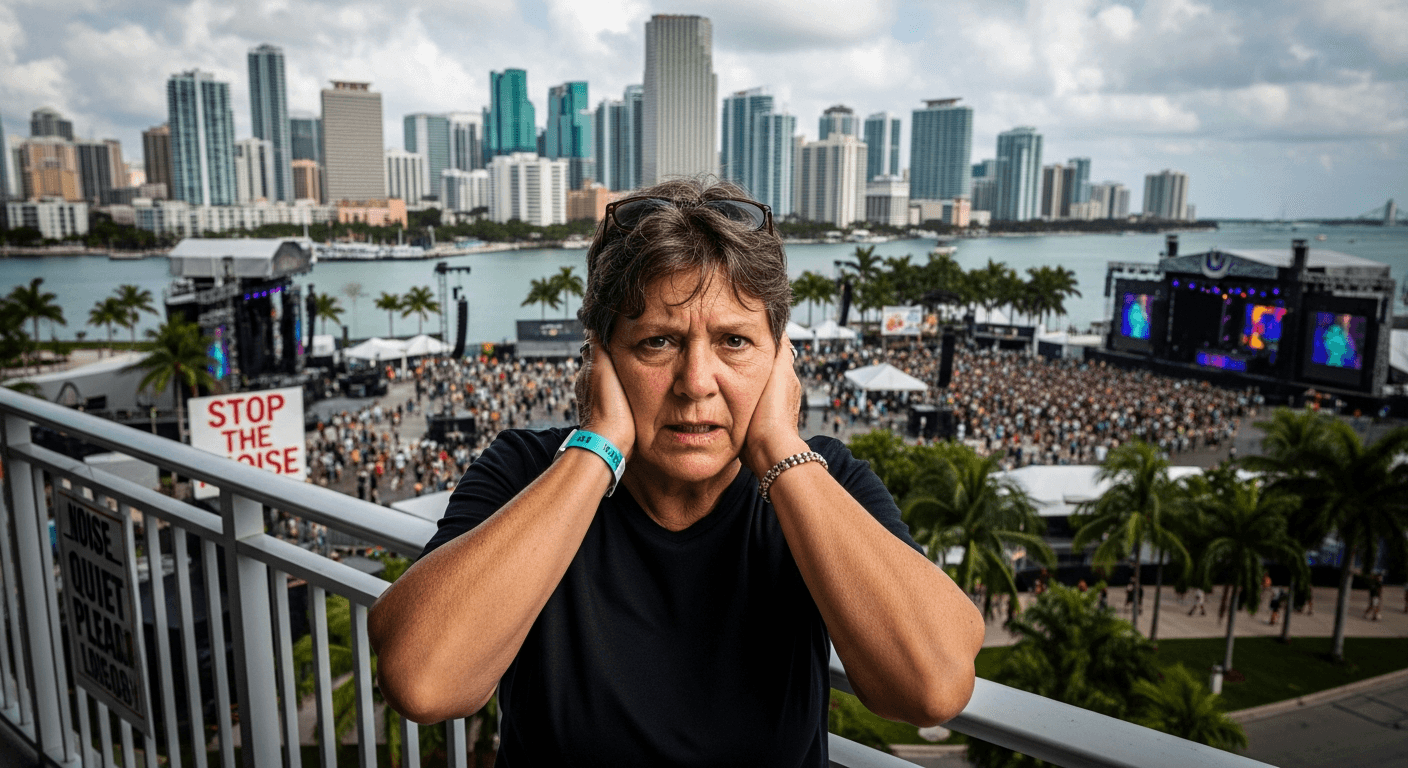
The timing couldn't have been more pointed. Just one day before Miami's City Commission was set to vote on Ultra Music Festival's future at Bayfront Park, the Downtown Neighbors Alliance fired their legal shot—a lawsuit alleging the electronic music giant has turned their neighborhood into what they call an "apocalyptic, ear-shattering, and relentless sonic assault."
Despite the legal drama, commissioners didn't flinch. They unanimously approved a 20-year operating agreement that locks Ultra into Bayfront Park through 2046, cementing the festival's return to its longtime Miami home after years of bitter battles over noise and neighborhood impact.
A Deal Years in the Making
For Ultra co-founder and CEO Russell Faibisch, the commission's vote represented vindication after a tumultuous journey that saw his festival bounced from Bayfront Park entirely in 2019. "This is a historic moment for the City of Miami and for the global electronic music community," Faibisch said in celebrating the 20-year deal.

City of Miami
The City of Miami is the municipal government of Miami, Florida, organized under a mayor-commissioner form of government. It serves as the executive and administrative authority for the city's residents and operations.
The road back wasn't easy. Ultra spent two years in exile at Virginia Key before returning to Bayfront in 2022 following its pandemic hiatus. A 2021 settlement was supposed to establish peace between the festival and its downtown neighbors through a Sound Management Program designed to cap noise levels at agreed-upon decibels.
The original proposal structured the deal as two 10-year terms, but commissioners amended it to four five-year periods, each requiring Ultra to present a report to the commission for review—a change DNA representatives saw as a small victory.
The Noise Wars Continue
But the Downtown Neighbors Alliance's lawsuit alleges that peace never came. The complaint claims Ultra has breached the 2021 settlement agreement that was supposed to keep the festival's sonic footprint in check. It's the latest salvo in what has become one of Miami's most persistent cultural conflicts—the clash between the city's growing reputation as a global entertainment destination and the quality of life concerns of downtown residents.
At the outset, the City Commission vote approving a long-term agreement structured in successive terms totaling up to 20 years establishes a City-led, district-wide framework governing the event and addressing impacts across the broader community. As to the allegations raised in the lawsuit filed by the Downtown Neighbors Alliance, Ultra will vigorously defend against it and continue operating within any applicable City-established frameworks.
DNA General Counsel Adam Cervera made a last-ditch effort before the commission vote, asking commissioners to defer their decision and let both sides reach a resolution first. The commissioners didn't bite.
What's in the New Deal
- Four five-year contract periods through 2046, each requiring Ultra to present progress reports
- Incorporation of the 2021 settlement's noise decibel limits
- Requirement for Ultra to hold two community meetings annually
- City-led framework for managing broader community impacts
The new contract structure represents a compromise of sorts. While Ultra gets the long-term security it craved, the festival now operates under more oversight, with regular check-ins that could theoretically provide off-ramps if problems persist.
A Cultural Crossroads
The Ultra saga reflects broader tensions in Miami's rapid evolution. As downtown has transformed from a sleepy business district into a 24/7 urban playground packed with luxury condos, the collision between entertainment and residential life has become inevitable. Ultra, which brings hundreds of thousands of electronic music fans to Bayfront Park each March, sits at the epicenter of this cultural crossroads.
This decision reflects a level of trust and confidence that we do not take lightly. Today's vote reflects a clear mandate from the residents of the City of Miami and the broader community, carried forward through the action of the Miami City Commission.
With the festival's future now secured on paper through 2046, the question of whether Ultra can truly coexist with its downtown neighbors moves to the courts. The lawsuit promises to test whether the city's framework for managing Ultra's impact can satisfy both the festival's global ambitions and residents' demands for peace in their own neighborhood.
For now, Ultra has what it wanted most—certainty. Whether that certainty comes with the quieter footprint its neighbors demand remains the central question in a legal battle that shows no signs of ending.
Ultra Music Festival