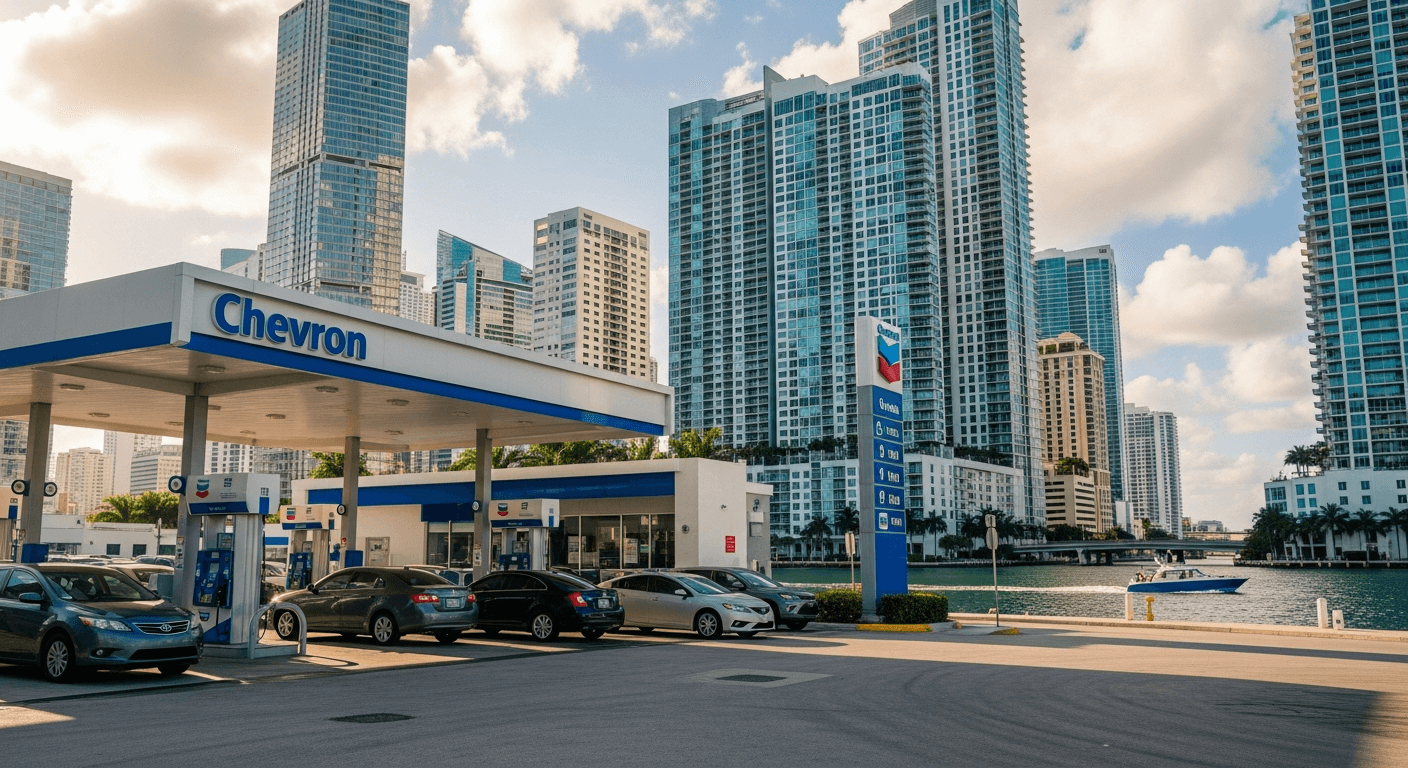
Drive through any corner of Miami-Dade County and you'll likely encounter the familiar red chevron logo marking one of 73 gas stations that form the backbone of South Florida's fuel distribution network. From the bustling intersection at SW 122nd Avenue to the high-traffic corridor of S Le Jeune Road, Chevron has quietly established itself as one of Miami's most ubiquitous business presences, operating around the clock to keep the Magic City moving.

Chevron
Chevron is a leading global energy company delivering premium fuels and lubricants with Techron technology for superior engine performance.
View full profileWhile Chevron Corporation may not have gleaming corporate towers in Brickell or sprawling headquarters in Doral, its retail footprint tells the story of a different kind of business powerhouse—one that touches nearly every Miami resident's daily life through the simple act of filling up their tank. Founded in 1879 and rooted in California's Standard Oil operations, this global energy giant has evolved far beyond its petroleum origins, now positioning itself at the forefront of energy transformation while maintaining its essential role in Miami's economic ecosystem.
The Chevron Network: Fueling Miami's Growth
Chevron's Miami presence represents more than convenience retail—it's infrastructure that enables the region's economic velocity. The company's 73 stations across Miami-Dade provide 24-hour fuel access to a metropolitan area where mobility drives everything from tourism to trade. Key locations like the stations at 2201 SW 122nd Ave and 801 S Le Jeune Rd serve as critical nodes in the city's transportation network, supporting everything from daily commutes to the logistics chains that move goods through PortMiami.
These operations generate substantial local economic activity through direct employment at stations and broader impacts on convenience retail. Chevron's cashback promotions and competitive pricing strategies have made these locations integral to Miami's cost-conscious consumer landscape, while their strategic positioning along major thoroughfares ensures accessibility across diverse neighborhoods from Little Havana to Aventura.
Leadership Navigating Transformation
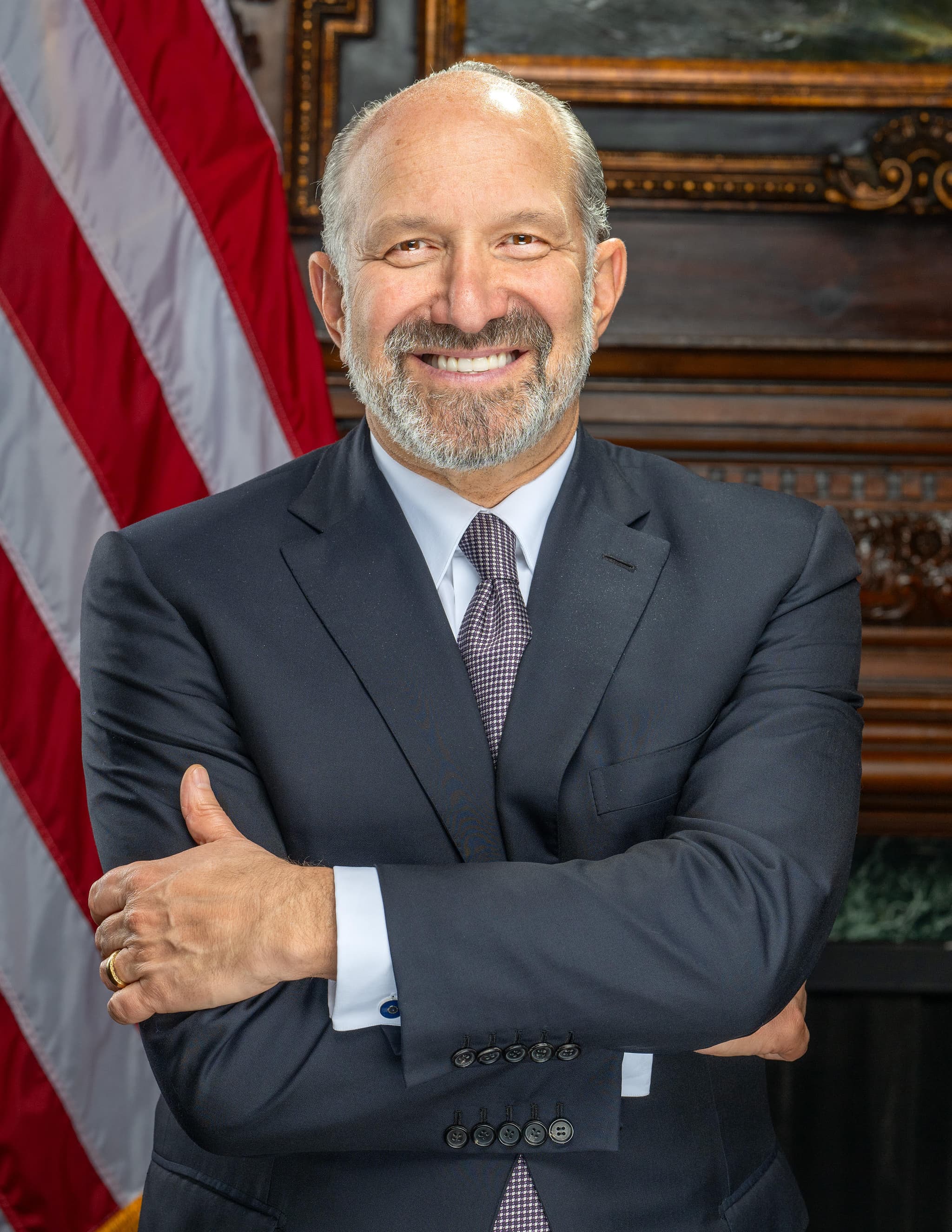
At the helm of Chevron's global operations, CEO Mike Wirth has been steering the company through what he describes as a period of unprecedented change and opportunity. In recent appearances, Wirth has outlined an ambitious vision that extends far beyond traditional petroleum products. According to his Bloomberg 'Wall Street Week' interview on August 27, 2025, the company is achieving "record-breaking production" while simultaneously investing in "hydrogen, renewable diesel, geothermal, and off-grid power for AI data centers."
Wirth's strategic focus includes the major Hess acquisition, which he characterized as access to "the largest new discovery in the world over the last couple of decades" in Guyana's oil resources. This expansion demonstrates Chevron's continued commitment to traditional energy production even as it diversifies its portfolio. The CEO noted the value of integrating "very talented people in exploration who've been quite involved in the identification and appraisal of the resource in Guyana," according to the same Bloomberg interview.
Chevron Corporation ranks among the world's largest integrated energy companies, with operations spanning production, refining, marketing, and emerging technologies across six continents.
Corporate Restructuring and Future Vision
Behind the scenes, Chevron is undergoing what Wirth described in a January 30, 2026 earnings discussion as a "large corporate restructuring which is rewiring business processes." This transformation reflects the company's adaptation to changing energy markets and technological disruption, positioning it to compete in sectors ranging from traditional petroleum to cutting-edge energy solutions for artificial intelligence infrastructure.
The restructuring comes as Chevron emphasizes innovation in oil recovery and long-term investments, particularly in the Permian Basin, which Wirth highlighted in a Fox Business appearance on October 29, 2025, as crucial to "U.S. energy security." For Miami's Chevron operations, this corporate evolution suggests continued investment in retail infrastructure while potentially opening doors to new energy technologies that could reshape how South Floridians power their lives.
Economic Impact Beyond the Pump
Chevron's Miami network extends its economic influence through multiple channels that support regional growth. The company's stations provide entry-level employment opportunities across diverse communities, while their convenience retail operations contribute to local tax revenue and commercial activity. The 24-hour availability of these locations supports Miami's reputation as a city that never sleeps, enabling late-night commerce and early-morning productivity.
- Direct employment at 73 retail locations across Miami-Dade County
- Support for local logistics and transportation industries through reliable fuel access
- Contribution to convenience retail sector through branded station operations
- Tax revenue generation for municipal and county governments
- Infrastructure support for tourism and hospitality sectors requiring reliable transportation
The strategic positioning of Chevron stations along major arteries like US-1, the Palmetto Expressway, and key commercial corridors ensures that the company's presence supports broader economic flows. From rideshare drivers maintaining their vehicles to construction crews fueling work trucks, these stations serve as essential infrastructure for Miami's diverse economy.
Technology and Innovation at Street Level
Chevron's Techron fuel additive technology represents one way the global corporation brings innovation to Miami streets. This proprietary blend promises superior engine performance and cleaner operation, potentially extending vehicle life in a region where cars face unique challenges from heat, humidity, and salt air. The technology exemplifies how Chevron leverages research and development to differentiate its retail presence in competitive markets like South Florida.
As the company expands into hydrogen and renewable diesel production, Miami's Chevron network could eventually serve as testing grounds for alternative fuel distribution. The region's progressive environmental policies and tech-savvy population make it an ideal market for piloting next-generation energy solutions, from electric vehicle charging to hydrogen fuel cells.
Looking Ahead: Chevron's Miami Future
While Chevron may not have chosen Miami for major corporate operations, its retail presence positions the company to evolve with the city's changing energy needs. As South Florida attracts more tech companies requiring data center power and residents increasingly adopt electric vehicles, Chevron's existing infrastructure provides a foundation for expanded energy services.
The company's investments in geothermal and off-grid power for AI data centers, as outlined by CEO Wirth, could prove particularly relevant as Miami's tech sector continues expanding. From crypto mining operations to artificial intelligence startups, the region's growing technology footprint will require innovative energy solutions that Chevron appears positioned to provide.
In a city where image often overshadows substance, Chevron's Miami story represents the unglamorous but essential infrastructure that makes everything else possible. The next chapter may see this energy giant transform from a fuel provider into a comprehensive power solutions company, but for now, those 73 red chevron signs remain constant reminders of the energy flowing through Miami's veins—one tank at a time.